Harvard Parking: Finding convenient and affordable parking at Harvard University can be more challenging than expected. Located in the busy and historic city of Cambridge, Harvard attracts thousands of students, faculty members, tourists, and daily visitors. This makes parking a highly competitive and regulated aspect of campus life.
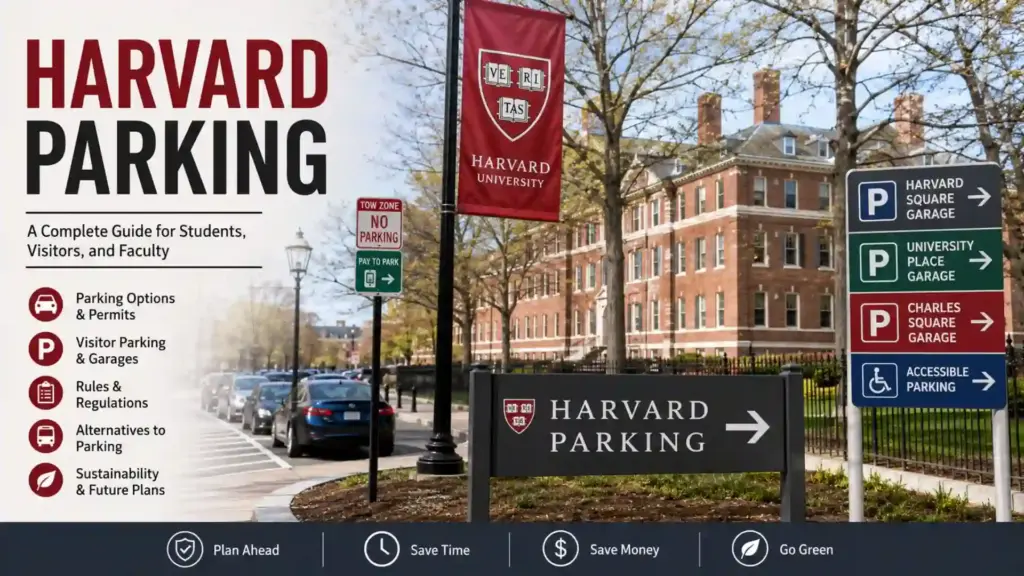
In this detailed guide on harvard parking, you will learn everything from parking options and permits to tips for saving time and money. Whether you are a student, employee, or visitor, this article will help you navigate Harvard parking efficiently.
Understanding Harvard Parking System
The harvard parking system is managed by the university’s transportation department, which oversees parking permits, garages, and enforcement policies. Unlike typical public parking setups, Harvard prioritizes sustainability and encourages the use of public transport, cycling, and walking.
Due to limited space and high demand, parking is tightly controlled. Most on-campus parking areas require permits, and unauthorized parking can result in fines or towing.
Types of Harvard Parking Options
1. Permit-Based Parking
Permit parking is the most common form of harvard parking for students, faculty, and staff.
- Available for eligible employees and certain students
- Requires advance registration
- Assigned to specific lots or garages
- Pricing varies based on location and demand
Harvard uses a tiered system, meaning not everyone is guaranteed a spot. Priority is often given based on commuting distance, job requirements, and accessibility needs.
2. Visitor Parking
Visitors to Harvard can access several parking garages and metered spaces around campus.
Common visitor parking options include:
- Harvard Square area garages
- Street metered parking (limited duration)
- Nearby commercial parking facilities
Visitor parking is usually paid hourly and can be expensive, especially during peak hours.
3. Metered Street Parking
Metered parking is available around Harvard Square and nearby streets.
Key points:
- Time-limited (usually 1–2 hours)
- Strict enforcement
- Rates vary depending on location
- Often full during daytime
Metered parking is suitable for short visits but not ideal for long stays.
4. Garage Parking
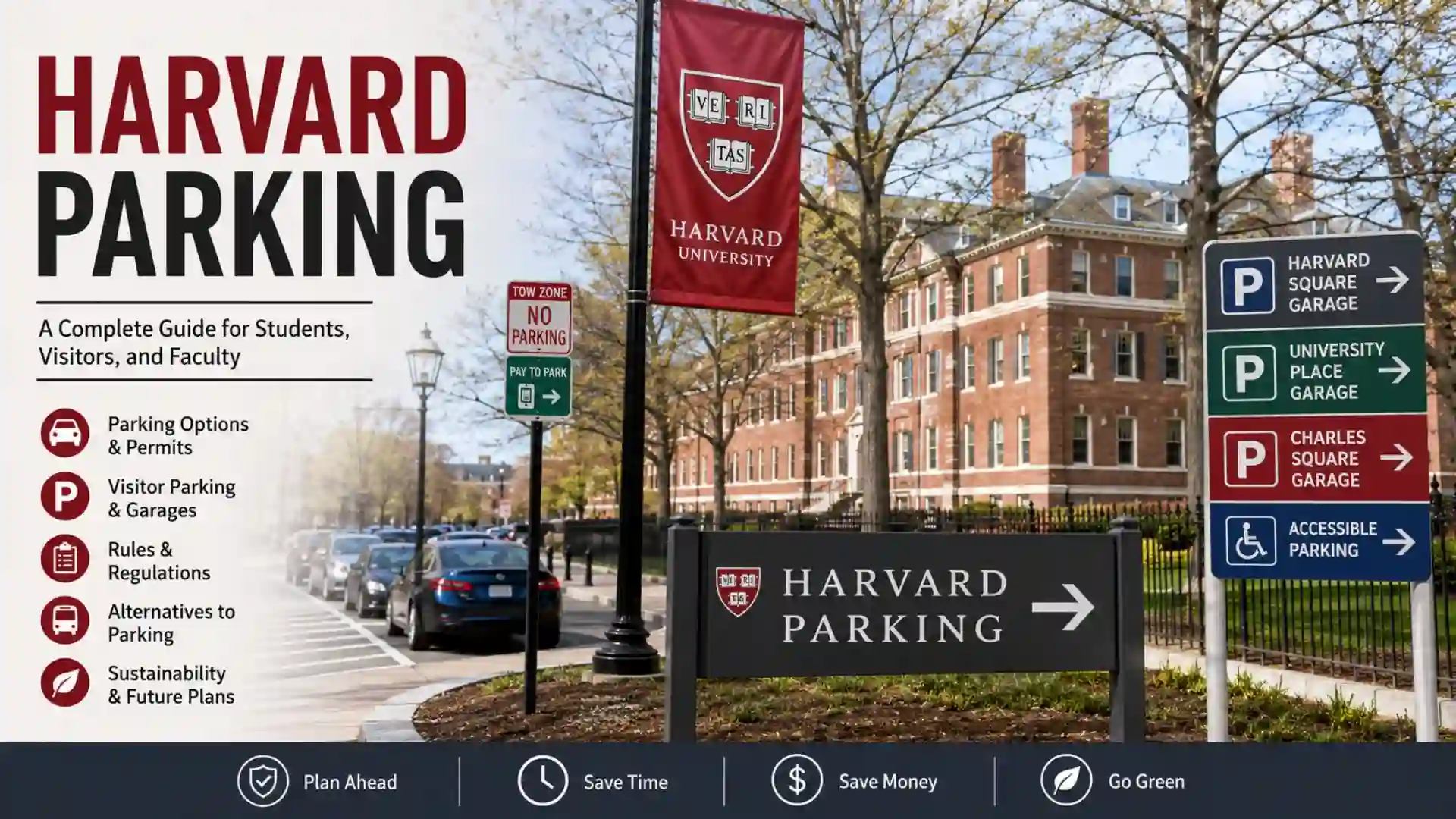
Garage parking is one of the most reliable harvard parking options for visitors.
Popular garages near campus include:
- Harvard Square Parking Garage
- University Place Garage
- Charles Square Garage
Advantages:
- Covered parking
- More availability than street parking
- Suitable for longer visits
However, these garages can be costly, especially during events or peak times.
Harvard Parking Permits: Eligibility and Process
Who Can Apply?
Not everyone can get a parking permit at Harvard. Eligibility is generally limited to:
- Faculty members
- Administrative staff
- Certain graduate students
- Individuals with special needs
Undergraduate students are typically not allowed to have parking permits.
Application Process
To obtain a permit:
- Submit an application through Harvard’s transportation office
- Provide required documents (vehicle registration, proof of employment)
- Wait for approval
- Pay the applicable fee
Permits are usually issued annually or semester-wise.
Cost of Parking Permits
The cost of harvard parking permits varies based on:
- Location of parking lot
- Type of user (faculty, staff, student)
- Demand and availability
Premium parking locations closer to academic buildings are more expensive.
Parking Rules and Regulations
Harvard enforces strict parking regulations to ensure fair use and safety.
Key Rules:
- Parking without a permit is prohibited in designated areas
- Vehicles must display valid permits at all times
- Time limits must be followed in metered zones
- Unauthorized vehicles may be ticketed or towed
Violations can result in fines, which can increase with repeated offenses.
Challenges of Harvard Parking
1. Limited Availability
One of the biggest challenges of harvard parking is the limited number of spaces. The campus was designed long before modern car usage, so space constraints are a major issue.
2. High Cost
Parking in and around Harvard is expensive compared to other areas. Daily garage rates and permit fees can add up quickly.
3. Strict Enforcement
Harvard and the city of Cambridge enforce parking rules rigorously. Even minor violations can lead to penalties.
4. Traffic Congestion
Harvard Square is a busy area, leading to traffic congestion that makes finding parking even harder.
Alternatives to Harvard Parking
Given the challenges, many people prefer alternatives to traditional harvard parking.
1. Public Transportation
Cambridge is well-connected by public transport.
Options include:
- Subway (MBTA Red Line)
- Buses
- Commuter rail
Public transport is often faster and more cost-effective than driving.
2. Cycling
Harvard encourages cycling by providing:
- Bike racks
- Dedicated bike lanes
- Bike-sharing programs
Cycling is an eco-friendly and efficient way to commute.
3. Walking
For those living nearby, walking is the simplest and healthiest option.
4. Carpooling
Carpooling reduces the number of vehicles on campus and can help in sharing parking costs.
Tips for Finding Parking at Harvard
Here are some practical tips to make harvard parking easier:
1. Arrive Early
Parking spots fill up quickly, especially during weekdays. Arriving early increases your chances of finding a spot.
2. Use Parking Apps
Apps can help you locate available parking spaces and compare prices in real-time.
3. Avoid Peak Hours
Try to avoid visiting during:
- Morning rush hours
- Lunch hours
- Special events
4. Consider Nearby Areas
Parking slightly away from Harvard Square and walking a short distance can save money and time.
5. Check Regulations
Always read parking signs carefully to avoid fines.
Harvard Parking During Events
Events at Harvard, such as:
- Graduation ceremonies
- Conferences
- Sports events
can significantly impact parking availability.
During such times:
- Parking demand increases dramatically
- Temporary restrictions may be लागू
- Advance planning is essential
Visitors are often encouraged to use public transportation during major events.
Accessibility Parking at Harvard
Harvard provides accessible parking options for individuals with disabilities.
Features include:
- Designated accessible parking spaces
- Proximity to buildings
- Special permits
Users must display valid disability parking credentials.
Sustainability and Harvard Parking
Harvard is committed to sustainability and reducing its carbon footprint. As part of this effort:
- Parking supply is limited
- Public transport is encouraged
- Green commuting incentives are provided
This approach helps reduce congestion and environmental impact.
Future of Harvard Parking
The future of harvard parking is likely to focus on:
- Smart parking systems
- Increased use of technology
- Reduced dependence on personal vehicles
- Expansion of eco-friendly transport options
Harvard continues to evolve its transportation policies to align with sustainability goals.
FAQ about Harvard Parking 2026
Is parking free at Harvard?
No, most harvard parking options are paid. Free parking is extremely limited and usually restricted.
Can students park on campus?
Undergraduate students are generally not allowed to have parking permits. Some exceptions exist for special cases.
Where can visitors park at Harvard?
Visitors can use garages, metered street parking, or nearby commercial parking lots.
How much does Harvard parking cost?
Costs vary depending on location and type, but parking in Harvard Square is generally expensive.
Are parking rules strictly enforced?
Yes, Harvard and Cambridge authorities enforce parking regulations strictly.
What is the best alternative to parking at Harvard?
Public transportation is the most recommended alternative due to convenience and cost-effectiveness.
Can I park overnight at Harvard?
Overnight parking is restricted and usually requires special permission or designated areas.
Is there parking for disabled individuals?
Yes, accessible parking spaces are available with proper permits.
Conclusion
Harvard parking is a complex but manageable aspect of visiting or working at Harvard University. With limited space, high demand, and strict regulations, planning ahead is essential.
While parking options such as garages, permits, and metered spaces are available, they can be expensive and difficult to secure during peak times. As a result, alternatives like public transportation, cycling, and walking are often more practical and efficient.
By understanding the system, following regulations, and using smart strategies, you can navigate Harvard parking with ease and avoid unnecessary stress.