
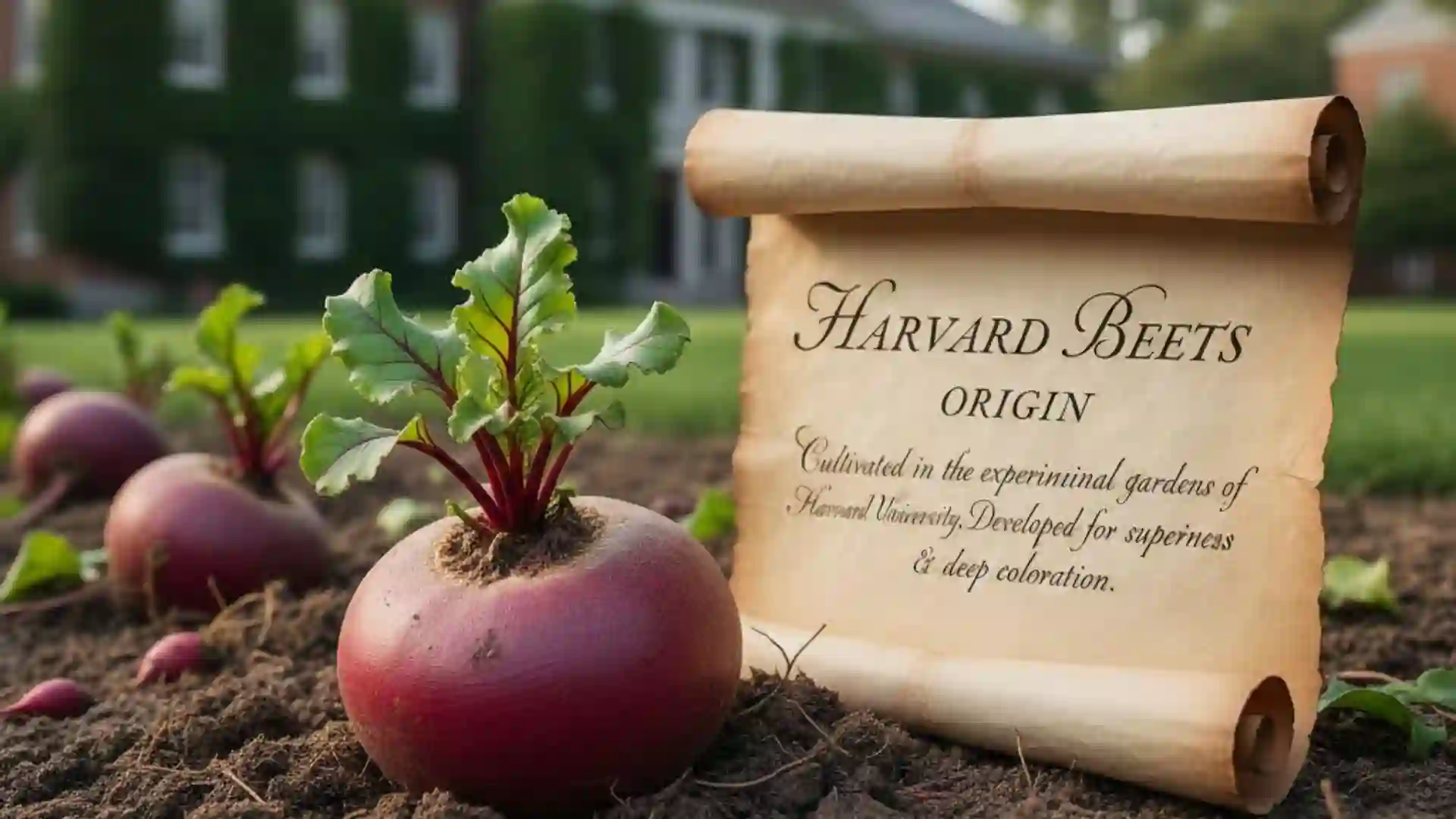
Harvard Beets Origin: Harvard Beets is a traditional American side dish that has quietly maintained its place in culinary history for over a century. Characterized by tender sliced beets cooked in a sweet-and-sour sauce made with vinegar, sugar, and butter, the dish is both simple and distinctive. Despite its name, Harvard Beets does not originate from Harvard University in the way many people assume. Instead, the name has a more nuanced and debated history rooted in American dining culture of the late nineteenth and early twentieth centuries.
This article explores the origin of Harvard Beets, the evolution of the dish, theories behind its name, its place in American food history, and how it became a staple side dish in households, restaurants, and even military meals. By understanding the background of Harvard Beets, we gain insight into how food traditions develop, spread, and endure over time.
What Are Harvard Beets?
Harvard Beets is a dish made primarily from cooked beets sliced or cubed and coated in a glossy sauce consisting of vinegar, sugar, butter, and a thickening agent such as flour or cornstarch. The flavor profile is balanced between sweet and tangy, highlighting the natural earthiness of beets while enhancing them with acidity and richness.
You May Also Like: Harvard Beets Recipe: Classic Sweet and Tangy Side Dish (Traditional & Easy Version)
The dish is traditionally served warm as a side, often accompanying roasted meats, poultry, or simple comfort-food meals. It has been especially popular in New England and other parts of the United States since the late 1800s.
Early History of Beets in Cooking
Ancient and European Roots
Beets have been cultivated since ancient times, with early records tracing their use back to the Mediterranean region. Initially, beet greens were more valued than the root itself. Over time, European cuisines, especially in Eastern and Central Europe, began emphasizing the beetroot in soups, salads, and preserved dishes.
By the eighteenth century, beets were common in British and European cooking, often pickled or prepared with vinegar and sugar. These preparation methods heavily influenced American beet recipes after European settlers brought their culinary traditions to the New World.
Beets in Early American Cuisine
In colonial America, beets were grown for their hardiness and long storage life. They were especially valued during winter months when fresh vegetables were scarce. Pickling and sweet-and-sour preparations were common techniques used to preserve beets, making them a practical and flavorful food.
These early beet preparations laid the groundwork for dishes like Harvard Beets, which combined Old World preservation methods with New World tastes.
The Origin of Harvard Beets: Competing Theories
The exact origin of Harvard Beets is not definitively documented, but several well-supported theories explain how the dish got its name.
Theory 1: Named After Harvard University Dining Traditions
One popular belief is that Harvard Beets originated in the dining halls of Harvard University during the late nineteenth century. According to this theory, the dish was either created or popularized by Harvard chefs and became associated with the institution.
During this era, universities often served simple, economical meals, and beets were an affordable, nutritious option. The sweet-and-sour preparation made the vegetable more appealing to students, contributing to its popularity.
However, there is no direct historical record proving that the dish was invented at Harvard University itself.
Theory 2: Named After the Crimson Color of Harvard
Another widely accepted theory is that the dish was named “Harvard Beets” because of its deep red color, which resembles Harvard University’s official color, crimson.
In the late nineteenth century, it was common to name dishes after famous institutions, places, or colors to give them a sense of prestige. The vibrant red hue of the beets likely reminded people of Harvard’s iconic crimson, leading to the name.
This theory is supported by the fact that many “Harvard-style” dishes appeared during the same period, using similar naming conventions without direct institutional involvement.
Theory 3: Hotel and Restaurant Naming Trends
During the late 1800s and early 1900s, American restaurants often named dishes after elite universities, cities, or cultural symbols to make them sound refined and fashionable. Examples include Waldorf Salad and Manhattan Clam Chowder.
It is likely that Harvard Beets followed this trend, gaining its name from marketing appeal rather than academic origin.
Rise in Popularity During the 19th Century
Harvard Beets began appearing in American cookbooks toward the end of the nineteenth century. These recipes were simple, inexpensive, and well-suited for home kitchens.
Several factors contributed to the dish’s popularity:
- Beets were easy to grow and store
- Vinegar and sugar were common pantry items
- The dish required minimal cooking skill
- It paired well with meat-based meals
As American households increasingly relied on printed cookbooks, Harvard Beets became standardized as a recognized recipe rather than a regional variation.
Harvard Beets in Early Cookbooks
By the early 1900s, Harvard Beets was listed by name in many American cookbooks. These recipes were remarkably consistent, suggesting the dish had already become well established.
Common elements included:
- Cooked red beets
- Sugar and vinegar for balance
- Butter for richness
- Flour or cornstarch for thickening
The presence of Harvard Beets in mainstream cookbooks helped cement its identity as a classic American side dish.
Role in Institutional and Military Meals
School and Hospital Kitchens
Harvard Beets became a favorite in institutional kitchens, including schools, hospitals, and cafeterias. The dish was inexpensive, nutritious, and could be prepared in large quantities.
Its slightly sweet flavor made it appealing to a wide range of palates, including children and patients with limited dietary options.
Military Use During the 20th Century
During World War I and World War II, Harvard Beets were included in some military meal plans. Beets were easy to preserve and transport, and the sauce helped mask the blandness of mass-produced vegetables.
The dish’s inclusion in military rations further increased its familiarity among Americans, many of whom continued making it at home after the wars.
Cultural Significance of Harvard Beets
Harvard Beets represents more than just a beet recipe. It reflects broader themes in American food history:
- The adaptation of European preservation techniques
- The rise of standardized recipes
- The influence of branding and naming in cuisine
- The role of institutional cooking in shaping home meals
The dish also highlights how simple ingredients can gain lasting recognition through consistency and cultural repetition.
Variations and Regional Adaptations
While the classic recipe remains popular, regional variations have emerged over time.
Some adaptations include:
- Using apple cider vinegar instead of white vinegar
- Adding cloves or cinnamon for warmth
- Including orange zest for brightness
- Substituting honey or brown sugar
Despite these variations, the core identity of Harvard Beets remains intact.
Important Information and Reference
| Aspect | Details |
|---|---|
| Dish Name | Harvard Beets |
| Primary Ingredient | Red beets |
| Flavor Profile | Sweet and sour |
| Sauce Base | Vinegar, sugar, butter |
| Origin Period | Late 19th century |
| Cultural Region | United States (New England influence) |
| Name Inspiration | Harvard crimson color or institutional naming |
| Common Use | Side dish |
| Popular Settings | Home kitchens, schools, military meals |
| Historical Significance | Classic American comfort food |
Why the Name “Harvard Beets” Endured
The name “Harvard Beets” has endured because it is distinctive and memorable. Associating a humble vegetable dish with an elite institution gave it a sense of importance that helped it stand out in cookbooks and menus.
Once a name becomes widely used, it often persists regardless of its original accuracy. In this case, the name became inseparable from the recipe itself.
Harvard Beets in Modern Cooking
Today, Harvard Beets continues to appear in traditional American cooking, particularly in holiday meals and comfort-food menus. While modern diets have shifted toward lighter preparations, the dish remains appreciated for its nostalgic value.
Food historians and culinary enthusiasts often cite Harvard Beets as an example of how institutional and home cooking intersected during a formative period of American cuisine.
FAQ about Harvard Beets Origin
What is the origin of Harvard Beets?
Harvard Beets originated in the United States in the late nineteenth century. While the exact creator is unknown, the dish likely gained its name due to its crimson color or as part of a trend of naming foods after prestigious institutions.
Is Harvard Beets connected to Harvard University?
There is no definitive evidence that Harvard University created the dish. The name is more likely symbolic or promotional rather than institutional.
Why are Harvard Beets sweet and sour?
The sweet-and-sour flavor comes from European preservation techniques using sugar and vinegar, which were adapted into American cooking traditions.
Are Harvard Beets considered traditional American food?
Yes, Harvard Beets is considered a classic American side dish, especially associated with late nineteenth- and early twentieth-century home cooking.
Are Harvard Beets still popular today?
While not as common as in the past, Harvard Beets is still prepared in traditional households and featured in historical or comfort-food recipes.
Can Harvard Beets be served cold?
Traditionally, Harvard Beets are served warm, but they can also be enjoyed cold depending on preference.
Conclusion
The origin of Harvard Beets lies not in a single kitchen or institution, but in a broader cultural moment in American culinary history. Emerging during a time when home cooking was becoming standardized and influenced by European traditions, the dish reflects practicality, creativity, and the power of naming.
Whether named after Harvard University, inspired by the color crimson, or simply branded for appeal, Harvard Beets has endured as a recognizable and beloved dish. Its survival across generations speaks to the timeless appeal of simple ingredients prepared thoughtfully.
Understanding the history of Harvard Beets allows us to appreciate how food evolves beyond nourishment, becoming a marker of culture, memory, and tradition. Even today, this humble beet dish stands as a reminder that culinary heritage often hides in the most unassuming recipes.