
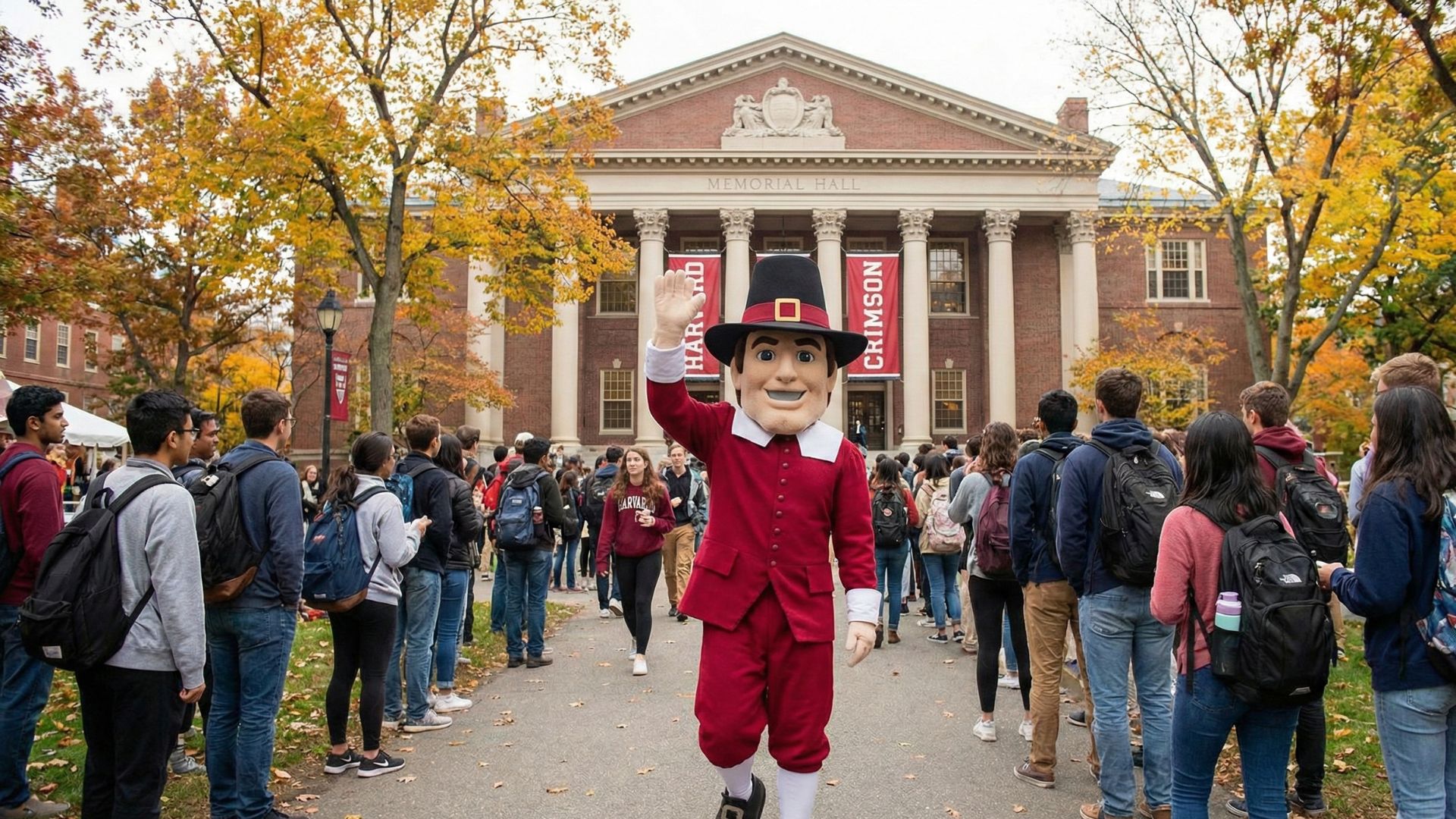
Does Harvard have a Mascot? Harvard University is one of the most recognizable educational institutions in the world. Its name is synonymous with academic excellence, global leadership, and a long-standing tradition that spans back to the 17th century. Yet, in the midst of all this prestige, there is a surprisingly common question: Does Harvard have a mascot?
At first glance, the question may seem simple. Most American colleges and universities have mascots that represent their athletic teams and foster school spirit. These mascots often appear at games, events, and ceremonies, symbolizing unity and pride. Harvard, however, has a unique identity, and its relationship with mascots is equally unique.
This article explores the full history behind Harvard’s mascot status, why Harvard never fully embraced a traditional mascot, and what symbols have emerged over the years to represent the university.
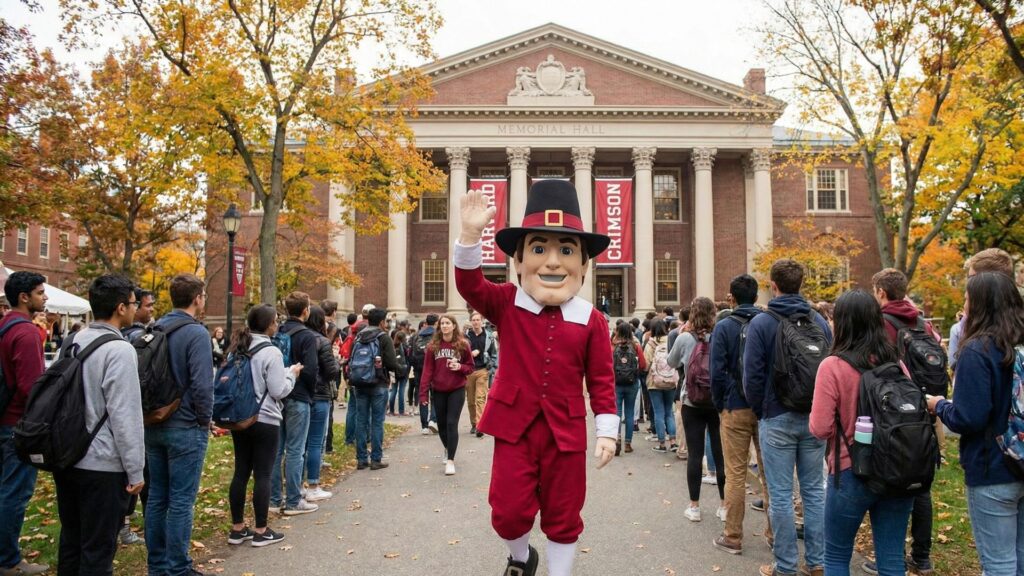
We will also look at how Harvard’s identity compares with other Ivy League schools, why the concept of a mascot remains controversial within the Harvard community, and what unofficial symbols students gravitate toward today.
Does Harvard Have a Mascot?
The straightforward answer is: Harvard does not have an official mascot.
Unlike many other colleges that have longstanding, university-approved mascots, Harvard has never formally designated a mascot to represent the entire school or its athletic program. Instead, Harvard’s athletic teams are known collectively as the Harvard Crimson.
The Crimson name is derived from the official school color, which has symbolized the university since the 1800s. The color crimson, rather than a particular character or animal, is the primary identifier for Harvard athletics.
However, this does not mean that Harvard has never attempted to introduce a mascot or that the community has not embraced certain symbols over time. The university has a fascinating history of unofficial mascots, proposed mascots, and student-driven efforts to adopt a symbolic figure.
How the Harvard Crimson Became the Symbol?
Before we explore the mascot attempts, it is crucial to understand how crimson became the university’s symbolic anchor. Harvard adopted crimson as its official color in the late 19th century. The story goes back even earlier, originating from student-athletes who wore crimson scarves during rowing competitions to stand out from their competitors.
Over time, the color crimson became closely associated with Harvard’s public identity, appearing in athletic events, publications, and school merchandise. By the late 1800s, the university officially declared crimson as its symbolic color.
Today, the name Harvard Crimson is used not only for its athletic teams but also for its student newspaper, branding materials, and student organizations. This color-based identity is one of the reasons Harvard never felt a strong need for a traditional mascot.
Past Mascot Attempts and Their Legacy
Although Harvard has never officially adopted a mascot, there have been several attempts and proposals throughout its history. These attempts reflect the cultural shifts within the university and the ongoing conversation about school spirit and representation.
Here are some of the most well-known mascot attempts:
1. The John Harvard Character
There have been times when the university experimented with a mascot costume resembling John Harvard, the English clergyman whose donation founded the institution.
This character was designed as a human mascot dressed in traditional pilgrim-style attire. However, it was never officially embraced or widely adopted due to concerns about historical accuracy and the preference for a more modern representation.
2. The Crimson Bird
Some attempts involved creating a crimson-colored bird, loosely based on the idea of a symbolic animal that aligned with the school color. This concept gained minor traction but never reached the level of institutional approval.
3. The Pilgrim
Given Harvard’s Puritan roots, proposals emerged suggesting that a pilgrim figure could serve as a mascot. While historically symbolic, this idea never gained serious momentum due to its limited connection to athletic energy and modern campus culture.
4. Unofficial Mascots at Student Events
Over the decades, students have occasionally introduced various characters for entertainment during sports games and rallies. These included costumes shaped like giant letters, animals, or comedic interpretations of Harvard history.
These mascots were typically short-lived and created solely for specific events, not for long-term adoption.
Why Harvard Never Adopted an Official Mascot?
Harvard’s resistance to adopting a mascot is rooted in several cultural, historical, and institutional factors. These reasons reveal the significance of tradition at a university that often values heritage above mainstream trends.
1. Harvard’s Oldest-Ivy Identity
Harvard’s age, tradition, and global prestige have contributed to a culture where symbolic mascots are seen as unnecessary. The name Harvard itself carries more recognition than most mascots could offer.
2. Academic Image Over Athletic Branding
Unlike universities that invest heavily in athletic branding, Harvard emphasizes academic reputation. A mascot could be seen as too commercial or playful for an institution of Harvard’s stature.
3. Strong Identity Already Established
The color crimson is such a powerful symbol for Harvard that it minimizes the desire for an additional figure.
4. Community Division
Whenever mascot proposals arise, the Harvard community often remains divided. Some students see mascots as fun and spirited, while others believe they trivialize the school’s identity.
What Represents Harvard If Not a Mascot?
Although there is no official mascot, Harvard has several symbolic representations:
1. The Harvard Shield
The official coat of arms containing the Latin word “Veritas,” meaning truth, is one of the strongest symbols of Harvard identity.
2. The John Harvard Statue
Located in Harvard Yard, the statue of John Harvard is one of the most photographed landmarks on campus.
3. The Harvard Crimson
Serving as the official athletic identity, the Crimson name functions much like a mascot would, without the physical form.
4. The H Logo
The bold crimson letter H is prominent on athletic uniforms, banners, and merchandise.
In essence, Harvard does not lack identity. It simply does not rely on a traditional mascot to express it.
Harvard Compared to Other Ivy League Mascots
To better understand Harvard’s position, it helps to compare it with other Ivy League schools.
Many Ivy League institutions have recognizable mascots:
- Yale: Handsome Dan (a bulldog)
- Princeton: The Tiger
- Cornell: The Bear
- Columbia: The Lion
- Penn: The Quaker
- Brown: The Bear
- Dartmouth: No official mascot, but the Big Green and Indian are past symbols
Interestingly, Dartmouth also has no official mascot, showing that mascot-less identities are not unheard of among academically prestigious institutions.
However, Harvard stands out because it has maintained its mascot-free stance for so long despite numerous student suggestions.
Cultural and Student Perspectives on Mascots at Harvard
Harvard students often have mixed feelings about mascots:
1. Those Who Want a Mascot
Some students believe that a mascot could improve school unity at athletic events, especially during inter-Ivy rivalries.
2. Those Who Oppose a Mascot
Others feel mascots are unnecessary and inconsistent with Harvard’s prestigious image.
3. Those Who Embrace Both Views
Within the student body, many accept that while a mascot could be fun, Harvard’s identity is strongest when rooted in tradition.
Student-run polls and discussions over the years show that while the mascot debate resurfaces occasionally, the status quo rarely changes.
Important Links and Information
Below is a structured table containing useful categories and information related to Harvard identity, athletics, and traditions.
| Category | Description / Information |
|---|---|
| Official Team Name | Harvard Crimson |
| Official Color | Crimson |
| Official Motto | Veritas (Truth) |
| Main Harvard Identity Symbol | Harvard Shield with “Veritas” |
| Common Unofficial Symbols | Harvard H, John Harvard Statue |
| Harvard Athletics Website | Official athletics information and updates |
| Student Organizations | Various groups that sometimes create event-based mascots |
| Harvard Yard Landmark | John Harvard Statue |
| Traditions | House system, Commencement rituals, rivalry games |
| Rival Schools | Yale, Princeton, Cornell |
FAQ about Does Harvard have a Mascot
Does Harvard have a mascot right now?
No, Harvard does not have an official mascot. The Harvard Crimson name serves as its athletic identity, but there is no physical mascot character.
Why doesn’t Harvard have a mascot?
The main reasons include long-standing tradition, strong existing identity through the color crimson, and a cultural preference toward academic symbolism rather than commercial mascots.
Have students ever tried to introduce a mascot?
Yes, several mascot proposals have emerged over the years, including human characters, birds, and symbolic figures. None have been officially adopted.
What represents Harvard at athletic events?
Harvard uses the Crimson team name and a bold letter H on uniforms and banners. The school color plays the most significant symbolic role.
Does any Ivy League school besides Harvard lack a mascot?
Yes. Dartmouth also does not have an official mascot, although it uses Big Green as an identity.
What is the closest thing Harvard has to a mascot?
Unofficial symbols like the Harvard Shield, John Harvard statue, and the Crimson identity serve as Harvard’s primary representation.
Are there student-created mascots?
Occasionally, student groups create event-specific mascots, but these are not recognized as official.
Conclusion
Harvard University stands as one of the world’s most respected institutions, known for its academic excellence, history, and tradition. The question of whether Harvard has a mascot reveals something important about the school’s identity.
While most universities rely on mascots to build school spirit, Harvard has chosen a different path. Its identity is defined not by a costumed character but by its powerful symbols: the color crimson, the Harvard Shield, the motto Veritas, and a legacy of intellectual leadership recognized worldwide.
The absence of a mascot is not a lack of identity. Instead, it highlights Harvard’s unique cultural and academic stance. The Crimson name, along with rich traditions and meaningful symbols, forms a cohesive identity that connects generations of students and alumni.
In the end, Harvard does not need a mascot to stand out. Its name, symbolism, and legacy speak for themselves.