
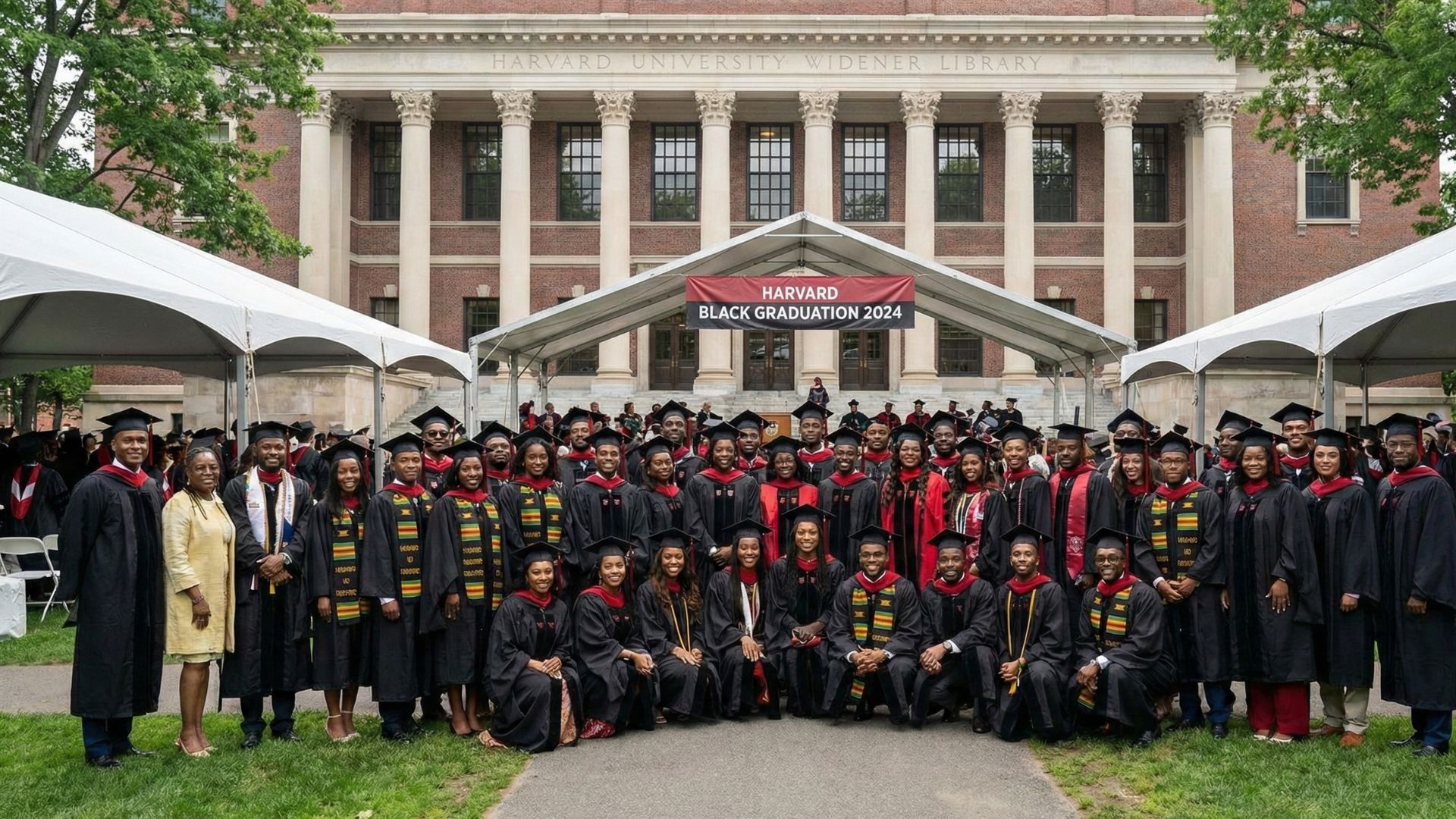
Black Graduation Ceremony Harvard: The Black Graduation Ceremony at Harvard is one of the most significant cultural and academic celebrations on campus. It stands as a testimony to resilience, achievement, identity, and community. While it is not an alternative commencement, it is a complementary ceremony that uplifts and honors the unique experiences of Black students graduating from Harvard University. Over the years, this event has gained recognition for its ability to empower students, strengthen cultural pride, and reaffirm the importance of diversity in higher education.
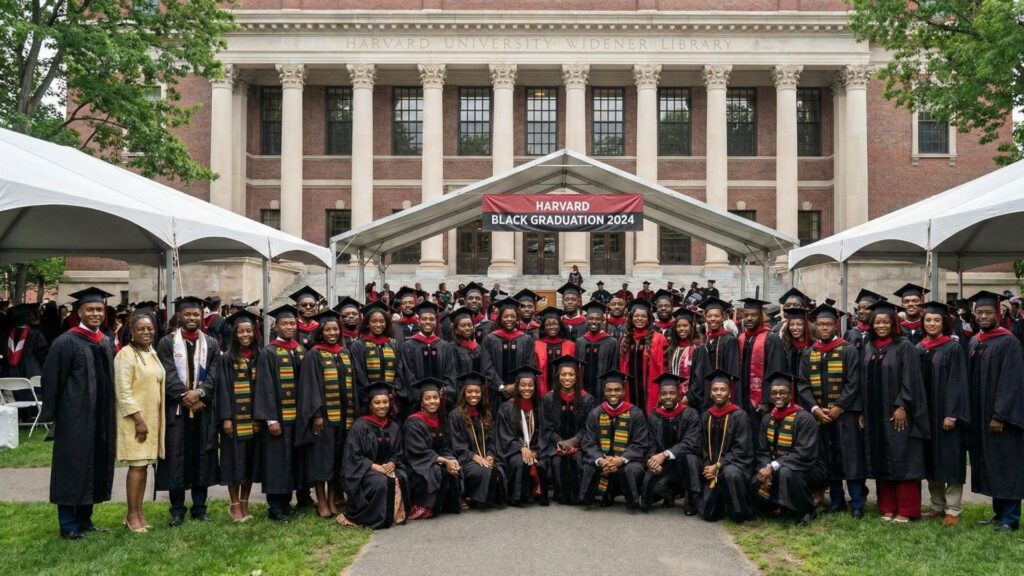
This article provides an in-depth overview of Harvard’s Black Graduation Ceremony, including its origins, purpose, traditions, participation, and its broader impact on the academic community. Additionally, a detailed table of important links and information has been included for readers seeking further resources.
Introduction
Graduating from Harvard University represents the culmination of years of academic dedication, personal sacrifice, and intense discipline. For Black students, this milestone often carries even deeper meaning, reflecting the complexities of navigating elite academic spaces while maintaining cultural heritage and confronting systemic challenges. The Black Graduation Ceremony at Harvard celebrates these layered experiences.
Harvard’s Black Graduation, also known as the Black Commencement or Black Celebration Ceremony, is designed to honor the academic journeys and personal triumphs of Black students across all Harvard schools. It includes undergraduates, graduate students, and professional school students. Notably, the event is open to all racial backgrounds but centers and uplifts Black identity and culture.
This ceremony is not a political or segregated event; rather, it provides an enriched, culturally affirming space where Black students, their families, and supporters can celebrate academic excellence, community achievement, and resilience.
History of the Black Graduation Ceremony at Harvard
Harvard’s Black Graduation Ceremony is part of a broader tradition found in many American universities, where minority graduation celebrations emerged to address the underrepresentation and isolation experienced by students of color. These ceremonies often originated during the Civil Rights Movement and expanded through the 1970s to 2000s.
Although different Harvard schools have hosted their own identity-based celebrations over the years, Black Graduation at Harvard became more formally organized in the 2010s, receiving campus-wide attention. The event gained national media coverage due to its emphasis on community solidarity and its role in promoting diversity and inclusion at one of the world’s most prestigious institutions.
The ceremony has continued to grow, attracting keynote speakers, faculty participation, and cultural performances that highlight the richness of the African and African American heritage.
Purpose and Significance of the Ceremony
1. Celebrating Cultural Identity
The Black Graduation Ceremony allows students to celebrate their heritage in an environment where their cultural identity is honored. It acknowledges the historical and contemporary experiences that shape Black academic achievement.
2. Recognizing Unique Challenges
For many Black students, the pathway to Harvard is filled with barriers such as socioeconomic inequality, racial discrimination, and limited access to elite academic preparation. The ceremony recognizes these realities and celebrates the perseverance required to overcome them.
3. Strengthening Community Bonds
The event gathers students, parents, mentors, faculty, and alumni into a shared space, reinforcing solidarity among members of the Black Harvard community. It becomes a platform for mentorship and intergenerational connection.
4. Encouraging Future Leadership
Speakers often emphasize leadership, service, and commitment to uplift Black communities. Graduates are encouraged to use their Harvard education to promote justice, equity, and innovation.
5. Complementing Traditional Commencement
The Black Graduation Ceremony does not replace Harvard’s official commencement. Instead, it provides a more intimate, culturally specific celebration that students may find more personal and meaningful.
Structure and Highlights of the Ceremony
1. Opening Remarks
The ceremony typically begins with welcoming speeches from student leaders or representatives from the Harvard Black Student Association, Black Graduate Council, or other affiliated groups.
2. Keynote Speakers
Prominent figures from academia, activism, politics, or arts are often invited. Their speeches usually address empowerment, heritage, and the responsibilities of Black graduates entering the world.
3. Student Reflections and Honors
Students may share personal stories, reflections on their academic journey, or tributes to mentors and family members. Awards and recognitions may also be presented.
4. Cultural Performances
Elements such as African drumming, gospel choir performances, spoken word poetry, or traditional rituals may be included to highlight African and African American culture.
5. Stole Presentation
One of the most cherished moments is the presentation of the kente cloth stoles. The colorful patterns symbolize African heritage and are often passed down during the ceremony as a sign of community strength and academic accomplishment.
6. Recognition of Graduates
Names of graduates are read, and participants walk the stage or receive acknowledgments. Families often find this part especially emotional and meaningful.
Who Can Participate in the Black Graduation Ceremony at Harvard?
Participation is generally open to:
- Harvard College undergraduates
- Graduate and professional school students, including those from the Schools of Medicine, Law, Business, Education, Graduate School of Arts and Sciences, and more
- Students from all racial and cultural backgrounds who support or identify with the Black community
Families, alumni, mentors, faculty, and friends may attend the event.
Participation does not require giving up attendance at Harvard’s official commencement. Instead, students often attend both ceremonies.
Planning and Organizing the Ceremony
The Black Graduation Ceremony is typically organized by:
- Student associations representing Black communities
- Cultural centers, such as the Harvard Foundation or Office for Equity, Diversity, and Inclusion
- Committees of volunteers
- Supporting administrative departments
Organizers coordinate logistics including venue selection, guest speaker invitations, ticketing, scheduling, cultural programming, and stole distribution.
Funding may come from university diversity offices, alumni contributions, or community donations.
Impact of the Black Graduation Ceremony
1. Fostering Inclusion
Events like Black Graduation help large institutions acknowledge and celebrate minority identities, fostering a sense of belonging among students.
2. Providing Emotional and Cultural Support
The ceremony gives students a meaningful space for emotional release, celebration, and the sharing of cultural pride.
3. Encouraging Academic Excellence
By highlighting success stories and role models, the ceremony inspires younger students or future applicants.
4. Contributing to Diversity Awareness
The event sends a message that diversity is not merely a policy but a living, celebrated aspect of Harvard culture.
Important Links and Information
| Category | Description | Link |
|---|---|---|
| Harvard Commencement Information | Official university-wide commencement schedule, policies, and access guidelines | https://www.harvard.edu |
| Harvard Cultural and Community Groups | Information about student organizations supporting cultural identity | https://college.harvard.edu |
| Harvard Office for Equity, Diversity, and Inclusion | Resource center supporting diversity celebrations including cultural graduations | https://edi.harvard.edu |
| Harvard Alumni Association | Connection point for graduates and alumni networks | https://alumni.harvard.edu |
| Black Student Organizations | Find groups and associations supporting Black students at Harvard | https://osl.harvard.edu |
FAQ about Black Graduation Ceremony Harvard
Is the Black Graduation Ceremony the same as Harvard’s main commencement?
No. The Black Graduation Ceremony is a cultural celebration that complements the official commencement. Students still attend the main Harvard graduation ceremony where degrees are formally conferred.
Does participation require being Black?
While the ceremony centers on Black culture, participation is usually open to students of all backgrounds who support or are connected to the Black Harvard community.
Are tickets required for families to attend?
Depending on the year and venue size, ticket requirements may vary. Some ceremonies allow open attendance, while others require registration due to limited space.
Is the kente stole provided by the organizers?
In most years, yes. Kente stoles are part of the ceremony and are typically distributed to participants. Policies may vary by school or organizing committee.
Are graduate students included in the Black Graduation Ceremony?
Yes. Students from Harvard College as well as all graduate and professional schools may participate.
Is the ceremony political?
No. The purpose of the ceremony is cultural celebration, community recognition, and acknowledgment of achievement. It is not framed as a political or exclusionary event.
Does the ceremony cost money to attend?
Generally, attendance is free for students and their families. Some schools may request optional contributions to support event costs.
Does participating in cultural ceremonies impact official graduation status?
No. Participation neither affects nor replaces official Harvard commencement requirements.
How long has Harvard held Black Graduation Ceremonies?
Identity-based and cultural celebrations have existed for many years, with formal recognition and expansion occurring steadily over the last decade.
How do students register for the ceremony?
Registration information is usually provided by student organizations, cultural centers, or Harvard administrative departments.
Conclusion
The Black Graduation Ceremony at Harvard is far more than a campus tradition. It is a powerful affirmation of identity, success, and community. Through cultural performances, inspirational speeches, and the symbolic presentation of kente stoles, the ceremony highlights the resilience and determination that define the journeys of Black students at Harvard.
This celebration recognizes not only academic achievement but also the history, culture, and collective strength that shape students’ experiences. For families, mentors, and communities, the ceremony serves as a deeply meaningful milestone. For graduates, it is a reminder of their heritage, their purpose, and the possibilities ahead.
As Harvard continues to embrace diversity and inclusion, ceremonies like the Black Graduation reinforce the importance of representation, belonging, and honoring unique cultural narratives. The event stands as a lasting symbol of pride, unity, and achievement for generations of graduates.