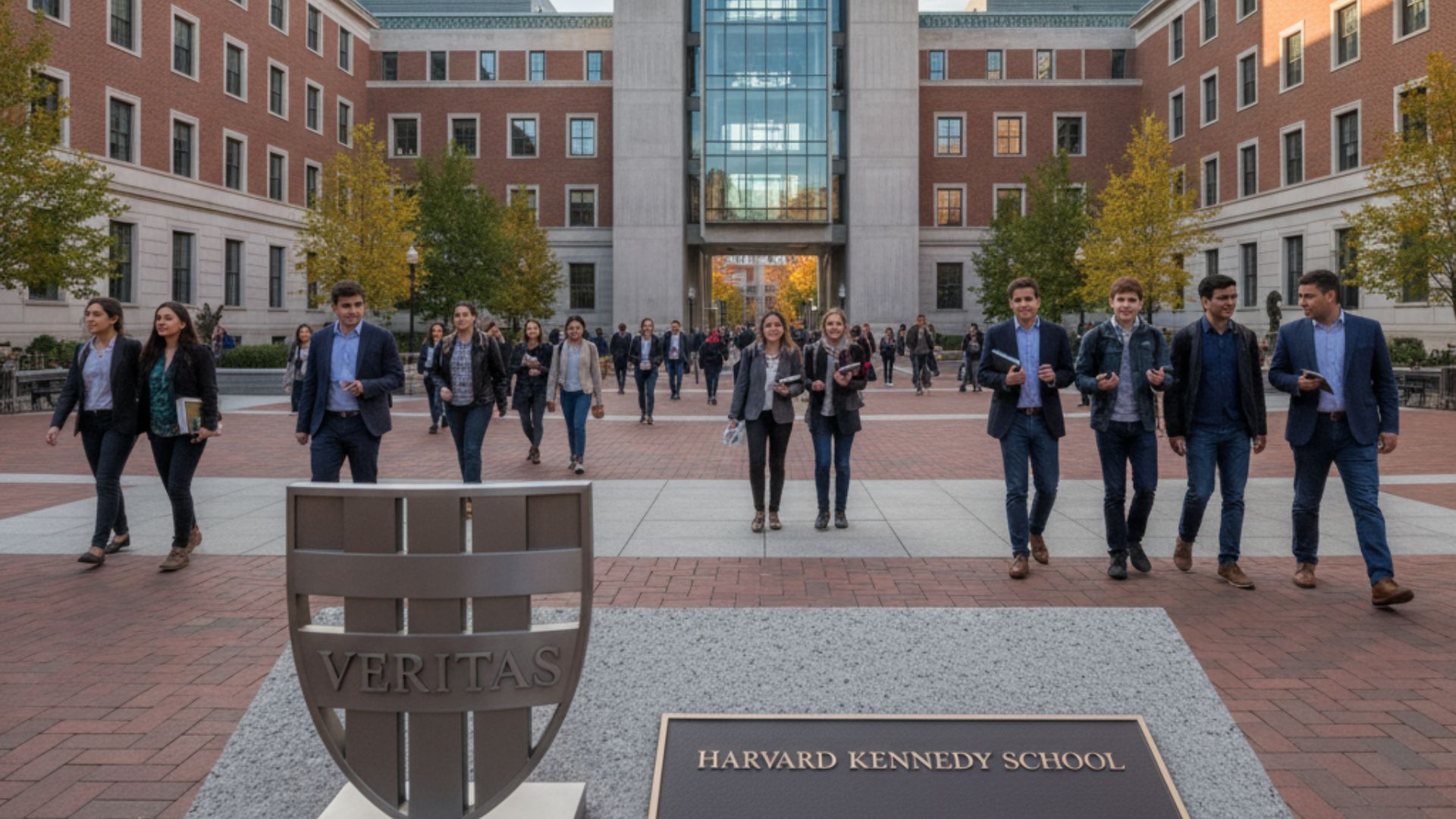
Harvard Kennedy School: Harvard Kennedy School (HKS) is one of the most prestigious graduate schools in the world, dedicated to training leaders who make a difference in public service, governance, and social innovation. As a part of Harvard University, HKS combines academic rigor, practical learning, and a global network of policymakers to address some of the most pressing challenges facing societies today.
Whether one’s goal is to work in government, the non-profit sector, international organizations, or academia, the Harvard Kennedy School offers a platform to gain the skills, perspectives, and experience required to create lasting impact. This article explores everything about the Harvard Kennedy School — its history, programs, admissions, tuition, global influence, and the value it brings to future leaders.
Introduction to Harvard Kennedy School
The Harvard Kennedy School, officially known as the John F. Kennedy School of Government at Harvard University, was named in honor of the 35th U.S. President, John F. Kennedy. It is located in Cambridge, Massachusetts, adjacent to Harvard Square.
Founded in 1936 as the Graduate School of Public Administration, HKS has evolved into a hub for public policy education, research, and leadership. It is dedicated to improving governance and advancing the public interest through education, research, and engagement with practitioners worldwide.
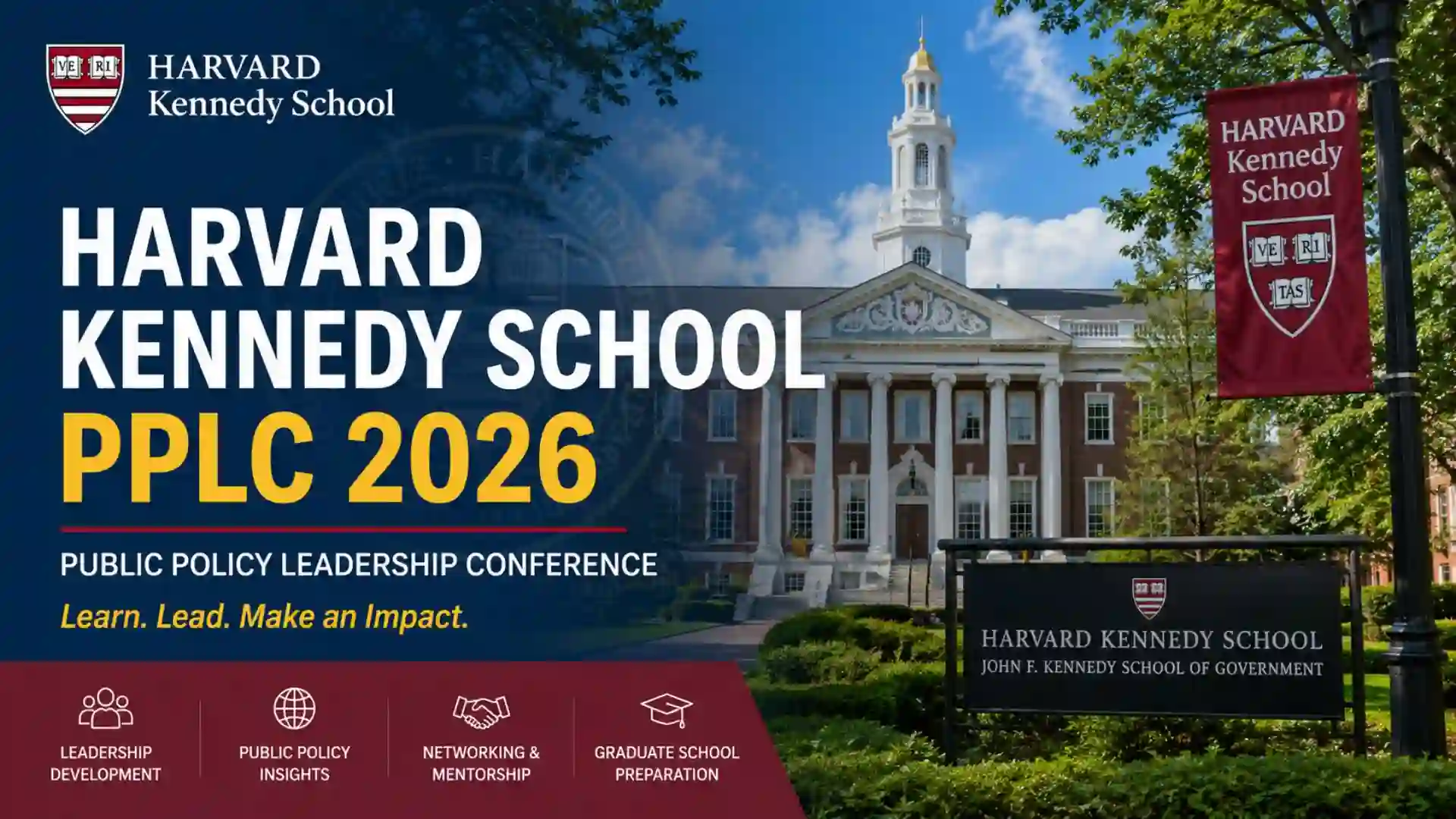
Its motto, “Ask what you can do,” reflects its mission to inspire ethical leadership and foster innovation in policy and public service.
Mission and Vision
The mission of Harvard Kennedy School is clear and impactful:
“To improve public policy and public leadership so that people can live in societies that are more safe, free, just, and sustainably prosperous.”
HKS strives to equip leaders with the analytical tools, ethical frameworks, and practical knowledge needed to make decisions that improve lives around the world.
The school emphasizes:
- Leadership and accountability in public service
- Evidence-based policy design
- Collaboration across sectors (public, private, and nonprofit)
- Social equity and global inclusivity
Academic Programs at Harvard Kennedy School
HKS offers a range of graduate programs tailored to different stages of professional development and areas of interest.
Master’s Programs
- Master in Public Policy (MPP)
- Designed for early-career professionals.
- Focuses on analytical skills, leadership, and policy design.
- Duration: 2 years.
- Master in Public Administration (MPA)
- Tailored for mid-career professionals.
- Emphasizes management, policy implementation, and leadership.
- Master in Public Administration in International Development (MPA/ID)
- Focused on economics, international development, and global governance.
- Prepares students for roles in development organizations, NGOs, and global institutions.
- Mid-Career Master in Public Administration (MC/MPA)
- For experienced leaders with at least 10 years of professional experience.
- Offers flexible course options for seasoned professionals.
Doctoral Programs
- PhD in Public Policy (PPOL)
- PhD in Political Economy and Government (PEG)
These research-focused programs prepare scholars for academic and policy research careers.
Executive Education
HKS also offers executive programs that run from a few days to several weeks, aimed at senior leaders in government, NGOs, and corporations. Topics include crisis management, negotiation, leadership, and economic development.
Admissions Process
Admission to Harvard Kennedy School is highly competitive. Each year, thousands of applicants from across the globe compete for a limited number of seats.
Basic Admission Requirements Include:
- Bachelor’s degree or equivalent.
- Strong academic record.
- Professional experience (especially for MPA and MC/MPA programs).
- GRE/GMAT scores (optional for some programs).
- English proficiency tests (TOEFL/IELTS) for non-native speakers.
- Letters of recommendation (usually three).
- Statement of purpose or personal essay outlining goals and motivation.
Application Timeline:
- Applications usually open in September and close around early December for the following academic year.
- Admissions decisions are announced by March.
Tuition and Financial Aid
Harvard Kennedy School’s tuition reflects the world-class education it offers, but the school provides numerous scholarships, fellowships, and financial aid opportunities.
Estimated Annual Costs (2026 Academic Year):
- Tuition: $63,000
- Health Insurance and Fees: $4,000
- Housing and Living Expenses: $23,000
- Books and Supplies: $1,000
- Personal Expenses: $3,000
Total Estimated Annual Cost: ~$94,000
Financial Aid
- HKS awards need-based and merit-based scholarships.
- The Public Service Fellowship, HKS Loan Repayment Assistance Program (LRAP), and external fellowships (like Fulbright) help reduce costs.
- Over 70% of students receive financial assistance in some form.
Faculty and Research Centers
Harvard Kennedy School is home to some of the world’s most influential scholars and practitioners in governance, economics, and leadership. Faculty members include former government officials, Nobel laureates, and renowned researchers.
Notable Faculty Members Include:
- Joseph S. Nye Jr. – Expert in international relations and soft power.
- Dani Rodrik – Economist focusing on globalization and development.
- Samantha Power – Former U.S. Ambassador to the United Nations.
- David Gergen – Former presidential adviser and leadership scholar.
Research Centers and Initiatives
HKS houses more than 25 research centers, including:
- Ash Center for Democratic Governance and Innovation
- Belfer Center for Science and International Affairs
- Center for Public Leadership (CPL)
- Shorenstein Center on Media, Politics and Public Policy
- Mossavar-Rahmani Center for Business and Government
These centers produce cutting-edge research and provide students with hands-on opportunities to address real-world policy issues.
Student Life at Harvard Kennedy School
HKS offers a vibrant, inclusive, and globally diverse community. Students represent over 90 countries, fostering cross-cultural collaboration and dialogue.
Key Aspects of Student Life:
- Over 90 student organizations focused on policy, leadership, and culture.
- Annual events such as the HKS Public Leadership Conference and Africa Policy Summit.
- Access to all Harvard University libraries, facilities, and events.
- Close proximity to Harvard Square, one of the most intellectually stimulating areas in the world.
HKS students also collaborate with peers from Harvard Business School, Harvard Law School, and MIT on interdisciplinary initiatives.
Alumni Network and Career Outcomes
Harvard Kennedy School has a powerful global alumni network of more than 60,000 graduates working in leadership positions worldwide.
Notable Alumni Include:
- Ban Ki-moon – Former UN Secretary-General
- Ellen Johnson Sirleaf – Former President of Liberia and Nobel Peace Prize laureate
- Bill de Blasio – Former Mayor of New York City
- Felipe Calderón – Former President of Mexico
- Ashraf Ghani – Former President of Afghanistan
Career Support:
- The Office of Career Advancement (OCA) assists students in finding internships and full-time roles.
- Graduates work in government agencies, international organizations (World Bank, UN), consulting firms, and social enterprises.
Global Impact of Harvard Kennedy School
The influence of HKS extends far beyond Cambridge. Through partnerships, policy research, and training programs, the school shapes governance systems around the world.
- The Belfer Center influences international security and climate policy.
- The Ash Center helps governments innovate through transparency and civic engagement.
- Alumni hold leadership roles in over 150 countries, driving policy reform and social progress.
The school’s global initiatives underscore its commitment to solving 21st-century challenges — from inequality and climate change to technology and democracy.
Campus and Facilities
The Harvard Kennedy School campus is located along the Charles River and features state-of-the-art classrooms, research centers, and collaborative spaces.
Key Facilities Include:
- Wexner Building – Academic and administrative hub.
- Taubman Building – Houses classrooms and research centers.
- Rubenstein Building – Dedicated to leadership programs and student events.
Students also have access to Harvard’s vast library system, including the Harvard Kennedy School Library and the Widener Library at Harvard Yard.
Important Links and Information
| Category | Details |
|---|---|
| Full Name | Harvard Kennedy School (John F. Kennedy School of Government) |
| Founded | 1936 |
| Location | Cambridge, Massachusetts, USA |
| Programs Offered | MPP, MPA, MPA/ID, MC/MPA, PhD, Executive Education |
| Tuition (Approx.) | $63,000 per year |
| Estimated Total Cost | $94,000 per year |
| Financial Aid | Need-b`ased and merit-based scholarships available |
| Faculty Strength | 200+ distinguished scholars and practitioners |
| Alumni Network | 60,000+ global leaders |
| Website | https://www.hks.harvard.edu |
FAQ about Harvard Kennedy School
What is Harvard Kennedy School known for?
HKS is best known for its programs in public policy, public administration, and international development. It is a global leader in preparing students for careers in public service and leadership.
How difficult is it to get into Harvard Kennedy School?
Admission is highly competitive, with acceptance rates often below 20%. Strong academic performance, leadership experience, and a clear commitment to public service are essential.
Does Harvard Kennedy School offer online or part-time programs?
HKS primarily offers full-time, on-campus programs, but some executive education courses are available online or in hybrid formats.
What kind of financial aid is available at HKS?
HKS provides a combination of need-based and merit-based aid, including scholarships, fellowships, and loans. External funding sources such as Fulbright and Chevening are also accepted.
What is the average class size at HKS?
Class sizes are generally small, with 40–60 students per core course, ensuring personalized learning and engagement.
What are the career prospects after graduating from HKS?
Graduates pursue leadership roles in government, NGOs, international institutions, academia, and private organizations committed to public policy and development.
Can international students apply for Harvard Kennedy School?
Yes, HKS welcomes applicants from over 90 countries every year. International students are eligible for the same financial aid opportunities as U.S. citizens.
Conclusion
Harvard Kennedy School stands as a beacon for those committed to public service and leadership. Its rigorous academic environment, global network, and unwavering focus on real-world impact make it an unparalleled institution for aspiring leaders.
The HKS experience transcends classrooms — it equips students to think critically, act ethically, and lead effectively in an increasingly interconnected world. Whether it’s designing equitable policies, leading nations, or tackling global issues, HKS graduates embody the spirit of service and excellence that defines Harvard’s legacy.
For anyone seeking to make a meaningful difference in public life, the Harvard Kennedy School is not just an academic institution — it’s a transformative journey that inspires lifelong leadership and positive change.