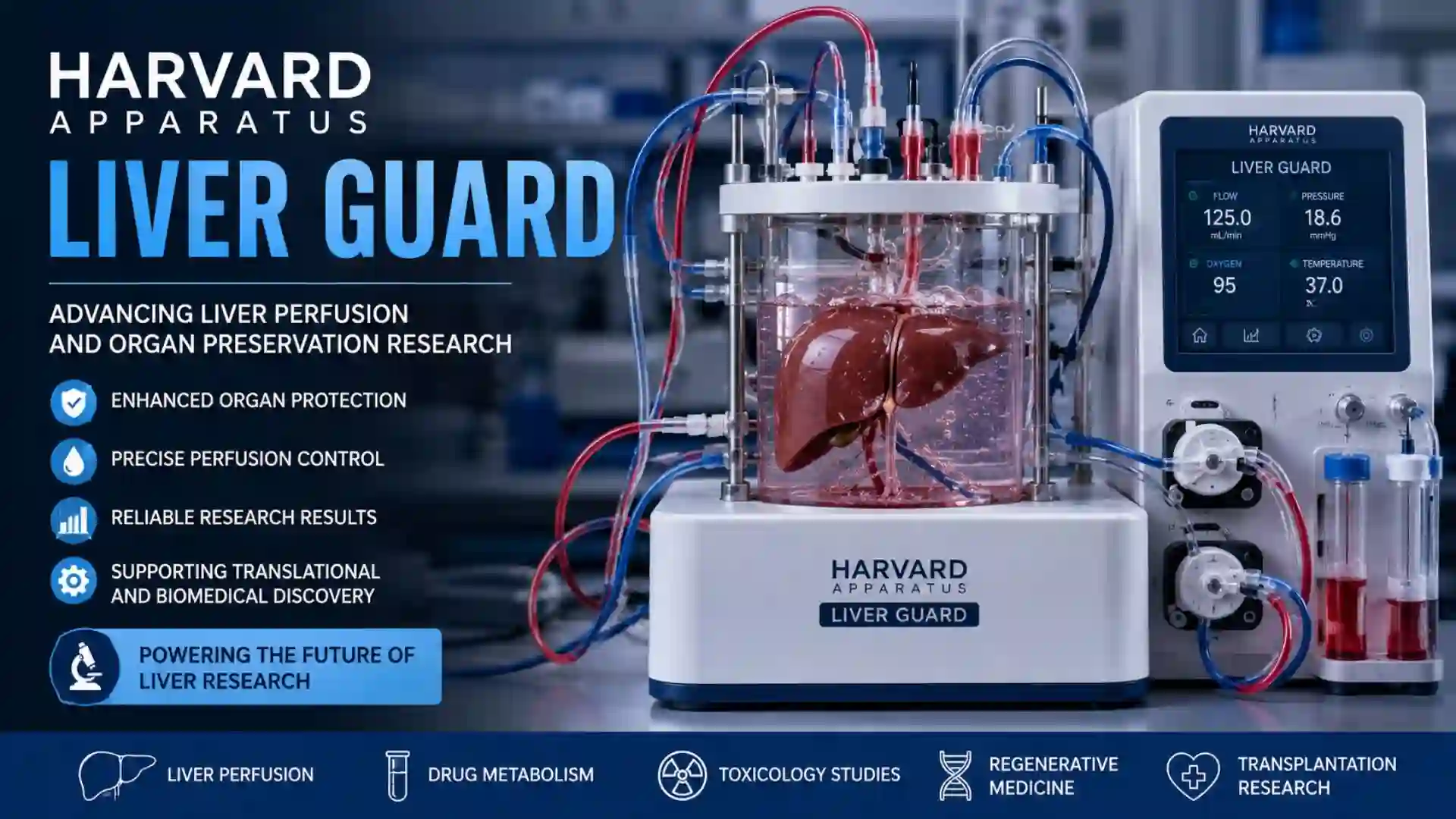
Harvard Apparatus Liver Guard: The field of biomedical research has experienced significant advancements in organ preservation, perfusion technologies, and transplantation science over the past several decades. Among the many innovations supporting this progress, the Harvard Apparatus Liver Guard has emerged as an important component in laboratory and preclinical liver research. Designed to enhance organ preservation and improve experimental outcomes, the Liver Guard system is widely recognized among researchers working in transplantation studies, perfusion experiments, pharmacology, toxicology, and regenerative medicine.
As liver disease continues to affect millions of individuals worldwide, scientists are increasingly focused on understanding liver function, testing therapeutic interventions, and improving transplantation outcomes. Reliable laboratory equipment plays a central role in achieving these goals. The Harvard Apparatus Liver Guard contributes by helping researchers maintain stable conditions during liver perfusion experiments, reducing tissue damage, and supporting accurate data collection.
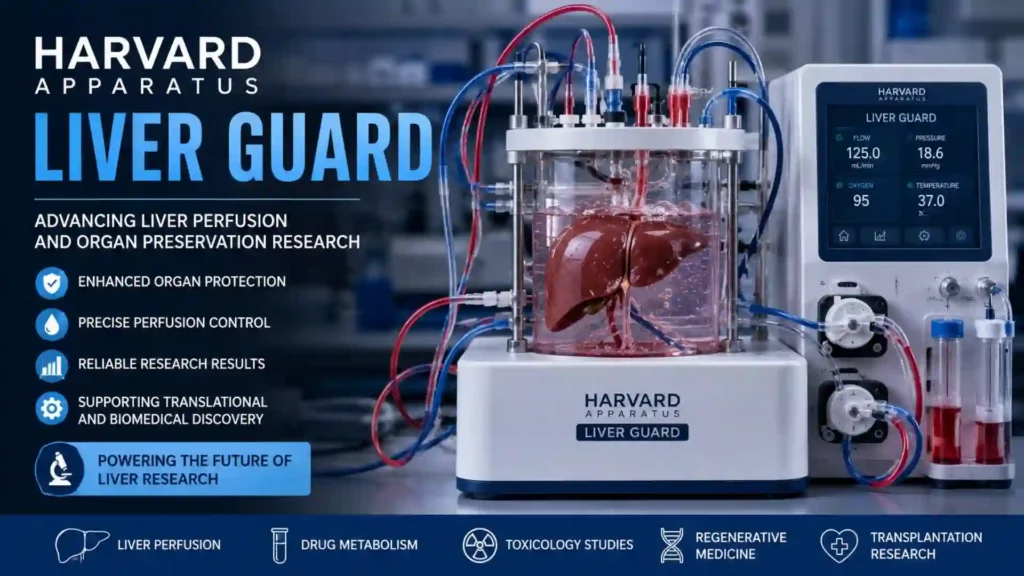
This comprehensive guide explores the Harvard Apparatus Liver Guard, its purpose, functionality, benefits, applications, and role in modern liver research.
Important Information and Links
| Information Category | Details |
|---|---|
| Product Name | Harvard Apparatus Liver Guard |
| Primary Purpose | Liver perfusion protection and preservation |
| Research Area | Organ preservation and transplantation studies |
| Applications | Liver perfusion, toxicology, pharmacology, transplantation research |
| User Group | Researchers, scientists, medical laboratories |
| Experimental Models | Ex vivo and preclinical studies |
| Main Benefit | Enhanced organ viability during experiments |
| Technology Focus | Controlled perfusion and tissue protection |
| Industry | Biomedical and life science research |
| Common Usage | Organ preservation and physiological studies |
Understanding the Harvard Apparatus Liver Guard
The Harvard Apparatus Liver Guard is a specialized research system designed to support liver preservation and perfusion studies. Liver perfusion refers to the process of circulating oxygenated solutions, blood substitutes, or nutrient-rich fluids through liver tissue to maintain viability outside the body.
During transplantation research and experimental studies, maintaining proper physiological conditions is essential. Even slight fluctuations in temperature, oxygen supply, pressure, or fluid composition can negatively impact liver function and compromise experimental outcomes.
The Liver Guard helps researchers establish a controlled environment that minimizes these risks while allowing the liver to remain functional for extended observation and testing periods.
By supporting stable perfusion conditions, the system assists scientists in investigating cellular responses, drug metabolism, tissue regeneration, and transplantation procedures with greater accuracy.
Why Liver Preservation Matters?
The liver is one of the most metabolically active organs in the body. It performs numerous vital functions, including:
- Detoxification of harmful substances
- Production of proteins
- Regulation of metabolism
- Storage of nutrients
- Processing medications
- Immune system support
Because of these complex responsibilities, liver tissue is highly sensitive to environmental changes. Once removed from the body, the organ begins experiencing stress that can quickly lead to cellular injury.
Researchers studying liver physiology need methods that preserve tissue health while experiments are being conducted. Effective preservation systems help reduce:
- Ischemic injury
- Oxidative stress
- Cellular degradation
- Metabolic disruption
- Inflammatory responses
The Harvard Apparatus Liver Guard addresses these concerns by providing protective conditions that support tissue integrity throughout experimental procedures.
Key Objectives of the Liver Guard System
The primary objectives of the Liver Guard include:
Maintaining Organ Viability
Researchers require liver tissue that closely resembles natural physiological conditions. The system helps preserve organ function for extended periods, enabling more accurate scientific observations.
Reducing Experimental Variability
Inconsistent conditions can introduce errors into research studies. Controlled perfusion environments help improve reproducibility and data reliability.
Supporting Advanced Research
Modern biomedical investigations often involve complex procedures that require stable tissue preservation. The Liver Guard provides a foundation for these advanced applications.
Enhancing Transplantation Studies
Many transplantation studies seek to improve organ preservation before surgical implantation. Perfusion technologies help researchers evaluate new preservation strategies and optimize transplant outcomes.
Components Commonly Associated with Liver Perfusion Systems
While configurations may vary depending on laboratory requirements, liver perfusion systems generally include several critical components:
Perfusion Pump
The pump regulates fluid circulation through liver tissue. Consistent flow rates are essential for maintaining physiological conditions.
Oxygenation Unit
Oxygen delivery supports cellular metabolism and helps maintain tissue viability during extended experiments.
Temperature Control Mechanism
Maintaining appropriate temperatures prevents cellular damage and preserves metabolic activity.
Monitoring Sensors
Sensors measure important variables such as:
- Pressure
- Flow rate
- Temperature
- Oxygen concentration
- Perfusate characteristics
Reservoir Systems
Fluid reservoirs store nutrient-rich solutions that continuously circulate through the organ.
Safety Protection Features
Protective mechanisms help prevent pressure overloads, flow interruptions, and other conditions that could damage tissue.
The Liver Guard concept integrates these elements to create a stable experimental environment.
How the Harvard Apparatus Liver Guard Works?
The fundamental principle behind the Liver Guard involves preserving physiological function outside the living body.
The process generally includes:
- Preparation of the liver tissue.
- Connection of vascular structures to perfusion circuits.
- Introduction of oxygenated preservation solutions.
- Continuous monitoring of key physiological parameters.
- Adjustment of flow rates and environmental conditions.
- Data collection throughout the experiment.
As fluid circulates through the liver, nutrients and oxygen reach cells while metabolic waste products are removed. This process helps mimic natural blood circulation and extends organ viability.
Researchers can then observe biological responses under carefully controlled conditions.
Applications in Liver Research
The Harvard Apparatus Liver Guard supports numerous areas of biomedical investigation.
Organ Transplantation Research
One of the most important applications involves transplantation science.
Researchers study:
- Organ preservation methods
- Ischemia-reperfusion injury
- Preservation solution effectiveness
- Transplant viability assessment
- Recovery strategies for donor organs
These studies contribute to improvements in clinical transplantation outcomes.
Drug Metabolism Studies
The liver plays a central role in processing medications.
Scientists use perfused liver models to evaluate:
- Drug clearance
- Metabolic pathways
- Toxicity mechanisms
- Drug interactions
- Pharmacokinetic behavior
The ability to maintain viable liver tissue enhances the accuracy of these investigations.
Toxicology Research
Researchers frequently examine how toxins affect liver cells and tissue structures.
Perfusion systems allow controlled exposure to:
- Environmental chemicals
- Industrial compounds
- Pharmaceutical agents
- Food contaminants
- Experimental substances
This controlled environment provides valuable insight into toxic effects.
Regenerative Medicine
Regenerative medicine seeks to repair or replace damaged tissues.
Liver perfusion technologies support studies involving:
- Stem cell therapies
- Tissue engineering
- Organ regeneration
- Cellular repair mechanisms
- Bioengineered organs
These areas represent some of the most promising frontiers in modern medicine.
Disease Modeling
Scientists use perfused liver systems to model various diseases, including:
- Fatty liver disease
- Fibrosis
- Cirrhosis
- Hepatitis
- Metabolic disorders
Controlled experimental conditions help researchers better understand disease progression and therapeutic responses.
Advantages of Using the Liver Guard
Several advantages make the Liver Guard valuable in laboratory settings.
Improved Tissue Survival
Extended tissue viability allows researchers to conduct longer and more comprehensive experiments.
Better Experimental Control
Researchers can manipulate specific variables while maintaining overall stability.
Enhanced Data Quality
Reliable conditions reduce confounding factors and improve scientific accuracy.
Reduced Animal Use
Ex vivo organ studies can provide substantial information while supporting efforts to reduce animal experimentation.
Reproducibility
Standardized conditions increase the likelihood that results can be replicated by other researchers.
Flexibility
The system can support a wide variety of experimental protocols and research objectives.
Role in Modern Organ Preservation Technologies
Organ preservation technology has evolved dramatically.
Traditional cold storage methods remain common, but researchers increasingly explore machine perfusion techniques that maintain organ function during preservation.
Benefits of modern perfusion-based preservation include:
- Continuous oxygen delivery
- Nutrient support
- Waste removal
- Functional assessment
- Extended preservation times
Systems such as the Liver Guard contribute to this growing field by providing researchers with tools to investigate new preservation strategies.
Challenges in Liver Perfusion Research
Although liver perfusion systems offer many advantages, researchers must address several challenges.
Technical Complexity
Perfusion experiments often require sophisticated equipment and extensive training.
Cost Considerations
Advanced research systems can represent significant laboratory investments.
Protocol Standardization
Different laboratories may use varying methodologies, making cross-study comparisons difficult.
Biological Variability
Individual organs may respond differently to preservation and perfusion conditions.
Data Interpretation
Large amounts of physiological data require careful analysis and interpretation.
Despite these challenges, the benefits of controlled perfusion research continue to drive widespread adoption.
Future Developments
The future of liver perfusion technology appears highly promising.
Emerging innovations include:
Artificial Intelligence Integration
AI-assisted monitoring may help optimize perfusion parameters in real time.
Advanced Sensors
New sensor technologies can provide more detailed physiological measurements.
Personalized Organ Preservation
Researchers may eventually tailor preservation strategies to individual donor organs.
Enhanced Biomarker Analysis
Real-time biochemical monitoring could improve organ assessment and quality evaluation.
Hybrid Tissue Engineering Systems
Future platforms may combine perfusion technology with bioengineered tissues and regenerative therapies.
These developments could significantly expand the capabilities of liver research systems.
Importance for Academic and Pharmaceutical Research
Universities, research institutions, biotechnology companies, and pharmaceutical organizations all benefit from advanced liver preservation technologies.
Applications include:
- Drug discovery
- Safety testing
- Biomarker identification
- Mechanistic research
- Translational medicine
- Therapeutic development
As the demand for accurate liver models increases, systems like the Harvard Apparatus Liver Guard continue to play an important supporting role in scientific progress.
Best Practices for Researchers
To maximize experimental success, researchers should follow several best practices:
- Maintain strict sterility throughout procedures.
- Carefully calibrate monitoring equipment.
- Monitor flow and pressure continuously.
- Use validated preservation solutions.
- Document all experimental conditions.
- Follow standardized protocols whenever possible.
- Perform regular equipment maintenance.
These practices help ensure reliable and reproducible results.
FAQ about Harvard Apparatus Liver Guard
What is the Harvard Apparatus Liver Guard?
The Harvard Apparatus Liver Guard is a research-oriented system designed to support liver perfusion, preservation, and transplantation-related studies by maintaining controlled physiological conditions.
Why is liver perfusion important?
Liver perfusion helps preserve tissue viability outside the body by supplying oxygen and nutrients while removing waste products, enabling accurate scientific investigation.
Who uses the Liver Guard?
The system is primarily used by biomedical researchers, academic laboratories, pharmaceutical scientists, and transplantation research teams.
Can it be used for drug testing?
Yes. Perfused liver models are widely used in drug metabolism, pharmacokinetic, and toxicology studies.
What are the major benefits of liver perfusion systems?
Benefits include improved organ viability, enhanced experimental control, higher-quality data, and support for advanced transplantation research.
Does liver perfusion replace transplantation research?
No. It serves as a complementary research tool that helps scientists understand organ preservation and improve transplantation techniques.
What fields benefit from this technology?
Fields such as transplantation science, pharmacology, toxicology, regenerative medicine, tissue engineering, and disease modeling all benefit from liver perfusion technologies.
What does the future hold for liver preservation systems?
Future developments may include AI-driven monitoring, advanced sensors, personalized preservation protocols, and integration with regenerative medicine technologies.
Conclusion
The Harvard Apparatus Liver Guard represents an important advancement in liver preservation and perfusion research. By helping researchers maintain viable liver tissue under controlled conditions, the system supports a broad range of scientific investigations, including transplantation studies, toxicology research, pharmacological testing, regenerative medicine, and disease modeling.
As biomedical science continues to evolve, reliable organ preservation technologies will remain critical for improving research accuracy and expanding our understanding of liver biology. The Liver Guard contributes to these efforts by providing researchers with a stable experimental platform capable of supporting sophisticated investigations into organ function, preservation, and therapeutic innovation.
With ongoing advancements in perfusion technology, artificial intelligence, sensor integration, and regenerative medicine, the future of liver research appears increasingly promising. Systems like the Harvard Apparatus Liver Guard will continue to play a significant role in advancing scientific discovery and supporting breakthroughs that may ultimately improve patient care and transplantation outcomes worldwide.