
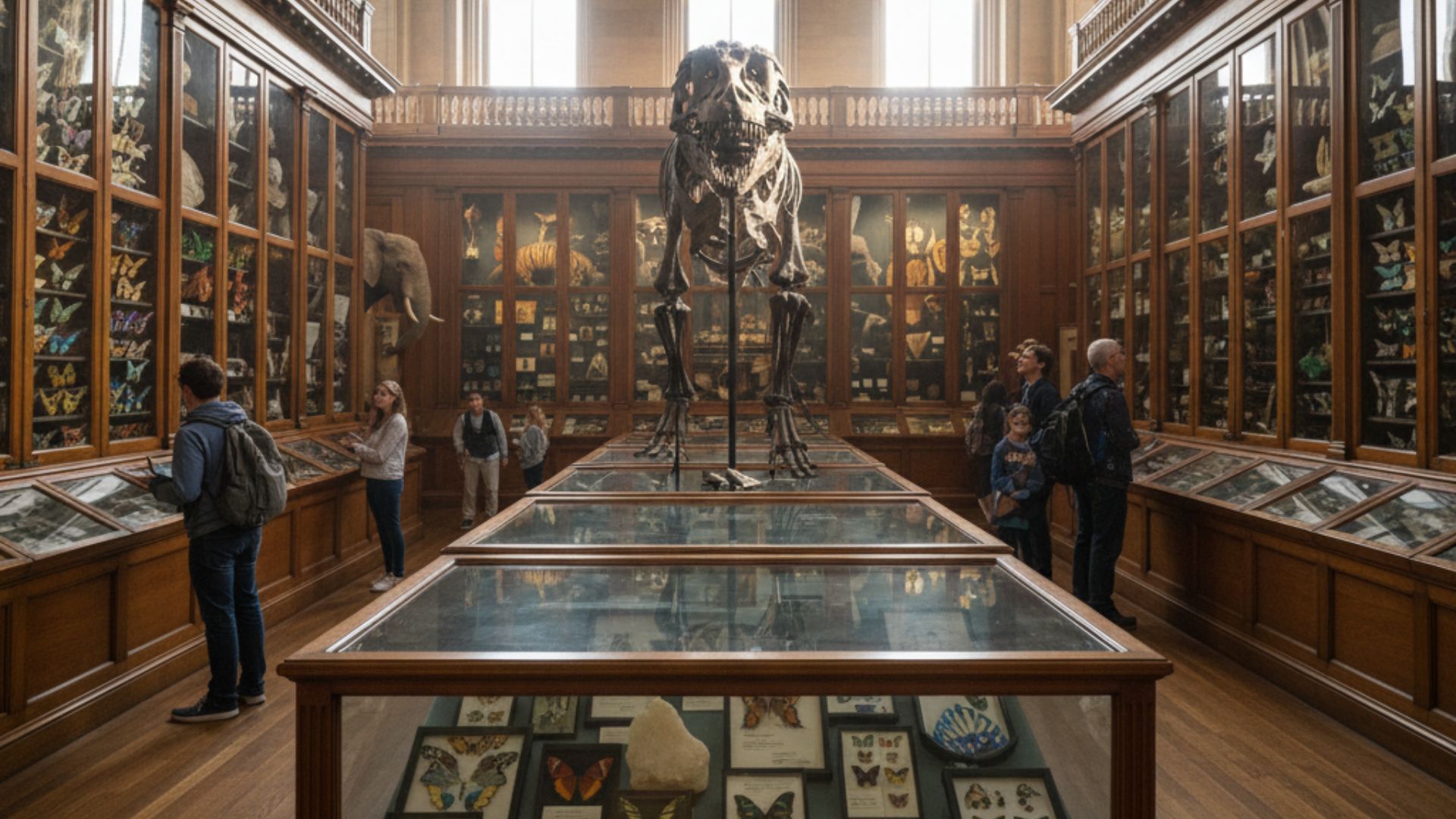
The Harvard Museum of Natural History is one of the most respected institutions for scientific education and public engagement in the United States. Located in Cambridge, Massachusetts, the museum serves as a bridge between Harvard University’s vast scientific research and the general public. With world-renowned collections in biology, geology, and anthropology, the museum offers visitors an opportunity to explore the natural world through carefully curated exhibits and educational programs.

This article provides an in-depth look at the Harvard Museum of Natural History, covering its history, collections, exhibitions, educational mission, and visitor experience. Whether you are a student, researcher, tourist, or lifelong learner, understanding the significance of this museum helps highlight why it remains a cornerstone of natural science education.
Overview of the Harvard Museum of Natural History
The Harvard Museum of Natural History is part of Harvard University’s network of museums and research institutions. It plays a vital role in preserving and presenting scientific knowledge related to biodiversity, evolution, and Earth’s history.
Unlike purely recreational museums, this institution emphasizes academic research, scientific accuracy, and education. Many of its collections are actively used by Harvard researchers, making the museum both a public exhibition space and a center for ongoing scientific inquiry.
History and Foundation
The museum traces its roots to the nineteenth century, when Harvard began assembling scientific collections for teaching and research. Over time, these collections expanded and were eventually brought together to form a unified museum dedicated to natural history.
Originally established to support scientific study, the museum gradually opened its doors to the public, reflecting a growing belief that science education should be accessible beyond the university classroom. Today, it stands as a testament to Harvard’s long-standing commitment to advancing knowledge and public understanding of science.
Architecture and Location
Situated in Cambridge, near Harvard Yard, the museum is housed in historic buildings that blend academic architecture with functional exhibition spaces. The design reflects both tradition and purpose, offering large galleries for major exhibits as well as smaller spaces for specialized collections.
The museum’s location within Harvard’s academic environment enhances its educational mission, allowing visitors to experience science in the context of a world-class research university.
Major Collections and Exhibits
The Harvard Museum of Natural History is renowned for its diverse and scientifically significant collections. These exhibits are not only visually impressive but also deeply educational.
Mineral and Geological Collections
One of the museum’s highlights is its extensive collection of minerals and gemstones. Visitors can explore specimens from around the world, showcasing the diversity of Earth’s geological processes.
These collections help explain:
- How minerals form
- The structure of the Earth
- The scientific classification of rocks and crystals
The geological displays emphasize both natural beauty and scientific understanding.
Zoological Specimens
The museum houses a wide range of zoological specimens, including preserved animals, skeletons, and taxidermy displays. These exhibits help visitors understand animal anatomy, adaptation, and evolution.
Zoological collections often focus on:
- Biodiversity and species variation
- Evolutionary relationships
- Conservation challenges
These displays highlight the interconnectedness of life on Earth.
Botanical Exhibits
Botanical collections explore plant diversity, structure, and ecological significance. Specimens range from preserved plant samples to detailed models illustrating plant anatomy.
Through these exhibits, visitors learn about:
- Plant evolution
- Ecosystem roles of vegetation
- The importance of plant conservation
The botanical collections emphasize how plants sustain life on Earth.
Anthropology and Human Evolution
Human evolution is another key focus of the museum. Anthropological exhibits explore the biological and cultural development of humans over time.
These displays address topics such as:
- Fossil evidence of early humans
- Comparative anatomy
- The relationship between humans and other primates
This section encourages reflection on humanity’s place within the natural world.
Glass Models of Plants
One of the most famous exhibits is the collection of glass plant models. These scientifically accurate models were created to aid botanical study and remain admired for their craftsmanship.
They demonstrate:
- Detailed plant anatomy
- Artistic and scientific collaboration
- Educational innovation before modern imaging
This exhibit remains one of the museum’s most distinctive features.
Important Information About the Harvard Museum of Natural History
| Aspect | Details |
|---|---|
| Location | Cambridge, Massachusetts |
| Institution Type | University-affiliated museum |
| Main Focus | Natural history and scientific education |
| Major Collections | Zoology, botany, geology, anthropology |
| Research Role | Active use in academic research |
| Public Access | Open to general visitors |
| Educational Programs | Lectures, tours, workshops |
| Audience | Students, researchers, public |
Educational Mission and Programs
Education is central to the museum’s mission. It offers programs designed for learners of all ages, from school groups to adult audiences.
Academic Integration
The museum supports Harvard’s teaching and research by providing access to real specimens and curated materials. Students benefit from hands-on exposure that enhances classroom learning.
Public Education
For the general public, the museum organizes:
- Guided tours
- Public lectures
- Workshops and demonstrations
These programs aim to make complex scientific concepts accessible and engaging.
Research and Scientific Importance
Beyond public exhibitions, the museum plays a crucial role in scientific research. Many of its specimens are part of long-term research projects in biology, geology, and anthropology.
Researchers use these collections to:
- Study species variation
- Track environmental changes
- Investigate evolutionary patterns
The museum’s dual role as a research center and public institution sets it apart from many other museums.
Visitor Experience
Visitors to the Harvard Museum of Natural History often describe the experience as both educational and inspiring. Exhibits are carefully curated to balance scientific detail with visual appeal.
The museum encourages slow, thoughtful exploration rather than passive viewing. Informational panels, diagrams, and models help visitors engage deeply with the subject matter.
Importance of Conservation and Awareness
A recurring theme throughout the museum is conservation. Exhibits emphasize the impact of human activity on biodiversity and ecosystems.
Visitors are encouraged to reflect on:
- Climate change
- Species extinction
- Sustainable interaction with nature
By combining science with ethical reflection, the museum promotes responsible environmental awareness.
Who Should Visit the Museum?
The Harvard Museum of Natural History appeals to a wide audience, including:
- Students studying science or history
- Families seeking educational experiences
- Tourists interested in culture and science
- Researchers and academics
Its content is suitable for both casual visitors and serious learners.
FAQ about Harvard Museum of Natural History 2026
Is the Harvard Museum of Natural History open to the public?
Yes, the museum is open to the general public and welcomes visitors from around the world.
Is the museum only for scientists and students?
No. While it supports academic research, it is designed to be accessible and engaging for all visitors.
How long does it take to explore the museum?
Most visitors spend several hours exploring the exhibits, depending on their level of interest.
Are the exhibits suitable for children?
Yes, many exhibits are family-friendly and educational for children.
Does the museum change its exhibits?
While many core collections are permanent, the museum also hosts temporary exhibitions and updates.
Conclusion
The Harvard Museum of Natural History stands as a remarkable institution that combines scientific research, education, and public engagement. Through its extensive collections and carefully designed exhibits, it offers visitors a deeper understanding of the natural world and humanity’s place within it.
By preserving invaluable specimens and making scientific knowledge accessible, the museum fulfills a vital role in both academia and society. Whether you are exploring natural history for the first time or deepening your scientific knowledge, the Harvard Museum of Natural History provides an enriching and intellectually rewarding experience.
Its enduring value lies not only in what it displays but in how it inspires curiosity, respect for nature, and a lifelong appreciation for science.