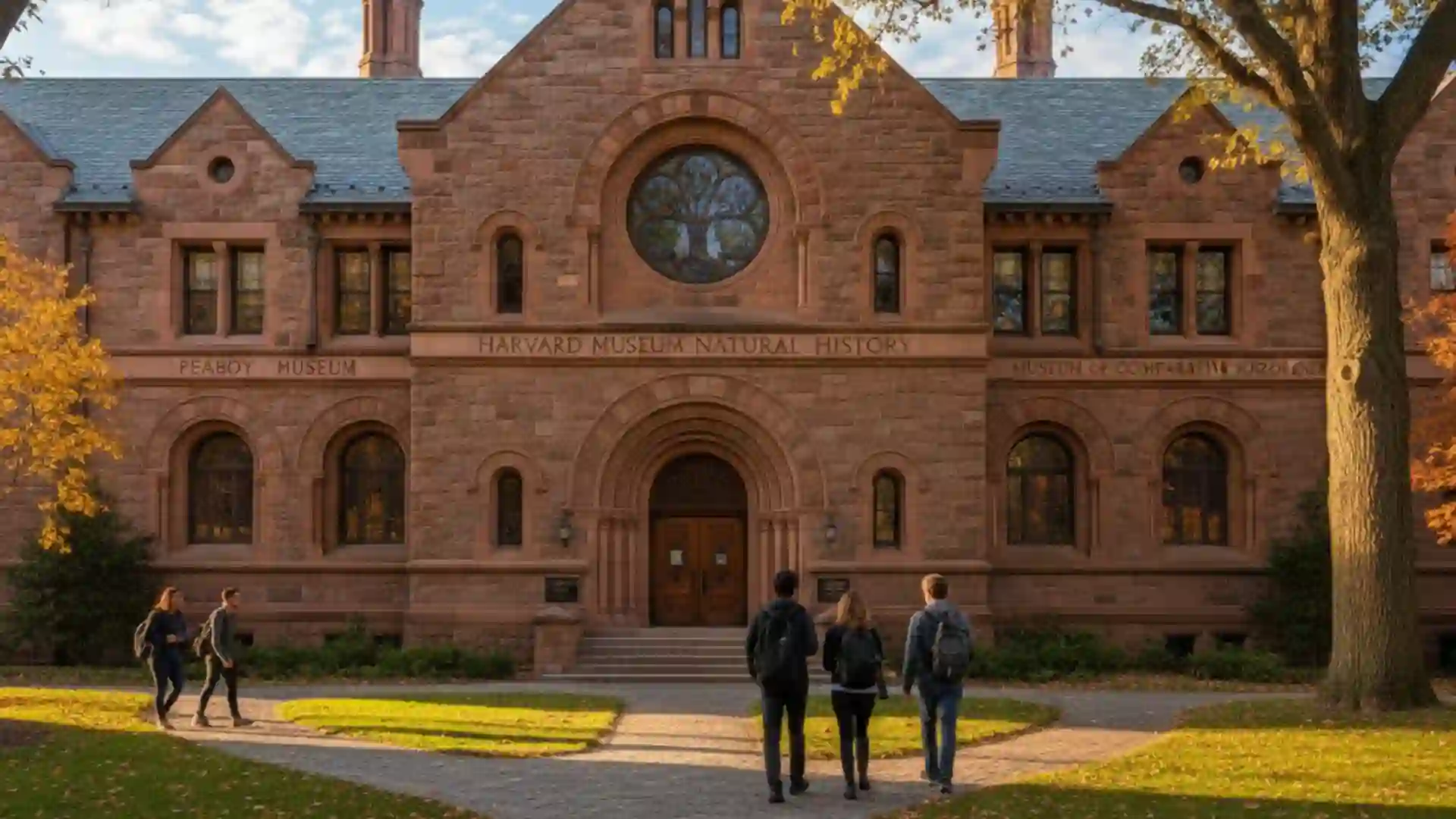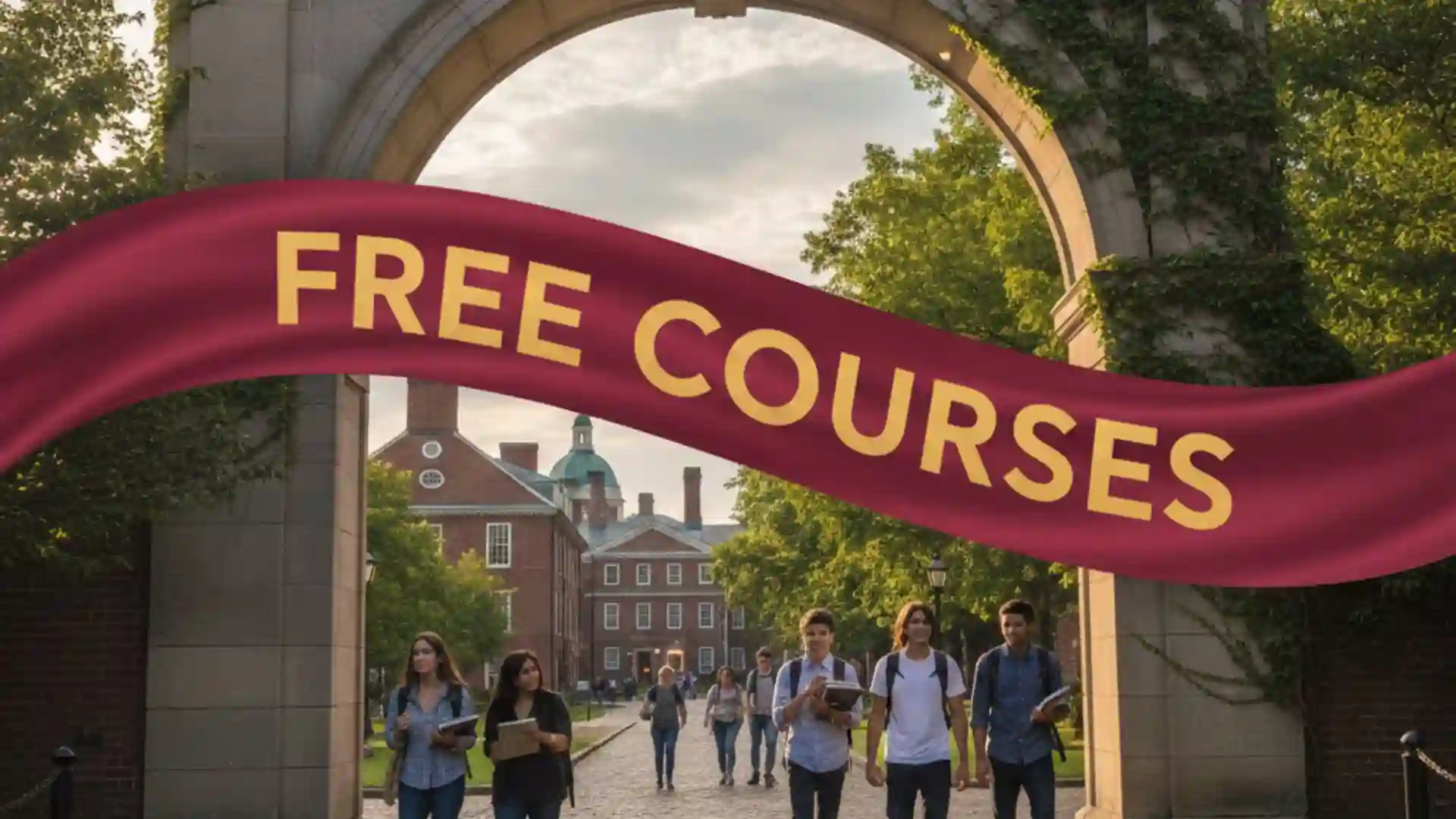
Harvard University Free Courses: Harvard University is widely recognized as one of the most prestigious educational institutions in the world. Founded in 1636, it has shaped global leaders, Nobel laureates, researchers, and innovators across nearly every discipline. Traditionally, studying at Harvard has been associated with high tuition fees and competitive admissions. However, in recent years, Harvard University has expanded access to education by offering free online courses to learners worldwide.
These Harvard University free courses allow students, professionals, and lifelong learners to experience Harvard-level teaching without enrolling in a full-time degree program. Whether you are interested in computer science, data science, humanities, business, public health, or law, Harvard’s free courses provide a valuable opportunity to learn from world-class faculty at no cost.
This article explores Harvard University free courses in detail, including how they work, what subjects are available, who can enroll, and whether these courses are worth your time.
What Are Harvard University Free Courses?
Harvard University free courses are online learning programs offered by Harvard faculty and academic departments. These courses are designed to be accessible to anyone with an internet connection, regardless of location, age, or educational background.
Most free courses are offered in self-paced or instructor-led formats, allowing learners to study according to their schedules. While access to course materials is free, optional certificates may require a fee.
The primary goal of these courses is to democratize education by making high-quality academic content available to a global audience.
How Harvard Offers Free Courses?
Harvard University provides free courses primarily through online learning platforms developed in collaboration with academic institutions. These platforms host video lectures, reading materials, assignments, quizzes, and discussion forums.
Free access typically includes:
- Video lectures by Harvard professors
- Course notes and reading materials
- Practice exercises and quizzes
- Access to discussion forums
Certificates of completion, graded assignments, or additional assessments may be optional and usually involve a fee.
Subjects Available in Harvard University Free Courses
Harvard’s free course catalog covers a wide range of disciplines, making it suitable for learners from different academic and professional backgrounds.
Computer Science and Programming
Harvard offers some of the most popular introductory computer science courses in the world. These courses cover topics such as:
- Programming fundamentals
- Algorithms and data structures
- Web development
- Artificial intelligence basics
These courses are particularly popular among beginners and professionals transitioning into technology fields.
Data Science and Artificial Intelligence
Data science courses focus on:
- Data analysis and visualization
- Machine learning fundamentals
- Python and statistical tools
- Decision-making using data
These subjects are highly relevant in today’s job market.
Business and Management
Harvard’s free business-related courses explore topics such as:
- Entrepreneurship and innovation
- Leadership principles
- Organizational behavior
- Strategy and management fundamentals
These courses are valuable for professionals, entrepreneurs, and students interested in business leadership.
Humanities and Social Sciences
Harvard University free courses also cover humanities and social sciences, including:
- Philosophy and ethics
- History and literature
- Political science
- Religion and cultural studies
These courses emphasize critical thinking and intellectual exploration.
Public Health and Medicine
Public health courses focus on:
- Global health challenges
- Epidemiology basics
- Health policy and systems
- Disease prevention and health promotion
These subjects gained increased interest in recent years due to global health concerns.
Law and Government
Harvard’s law and government courses introduce learners to:
- Constitutional principles
- Justice and moral reasoning
- Public policy analysis
- Legal frameworks
These courses are especially appealing to students interested in law, governance, and ethics.
Important Information About Harvard University Free Courses
| Aspect | Details |
|---|---|
| Cost | Free to audit |
| Certificate | Optional, usually paid |
| Eligibility | Open to anyone worldwide |
| Mode | Online |
| Pace | Self-paced or instructor-led |
| Subjects | CS, data science, business, humanities, law, health |
| Language | Primarily English |
| Instructor | Harvard University faculty |
| Degree Credit | Not applicable |
Who Can Enroll in Harvard Free Courses?
One of the biggest advantages of Harvard University free courses is open enrollment. There are no formal eligibility requirements.
You can enroll if you are:
- A student seeking additional knowledge
- A working professional upgrading skills
- A career changer exploring new fields
- A teacher or academic enhancing subject expertise
- A lifelong learner with intellectual curiosity
No prior Harvard affiliation is required.
Do Harvard Free Courses Offer Certificates?
Most Harvard free courses offer optional certificates. These certificates are not degrees but can serve as proof of course completion.
Important points to note:
- Access to course content is free
- Certificates usually require payment
- Certificates may include graded assessments
- Certificates can be added to resumes or professional profiles
While certificates do not carry the same weight as a Harvard degree, they demonstrate commitment to learning and skill development.
Benefits of Taking Harvard University Free Courses
Access to World-Class Education
Learners gain access to lectures and materials created by Harvard professors and academic experts.
Flexibility
Courses are online and often self-paced, allowing learners to study alongside work or other commitments.
Skill Development
Many courses focus on practical skills relevant to modern careers, especially in technology and business.
No Admission Pressure
Unlike degree programs, free courses do not involve competitive admissions.
Global Recognition
Harvard’s name adds credibility to your learning experience, even if the course is non-credit.
Limitations of Harvard Free Courses
Despite their advantages, free courses also have limitations.
- They do not lead to degrees
- Certificates may require payment
- Interaction with faculty is limited
- Peer networking is less structured than on-campus programs
Understanding these limitations helps learners set realistic expectations.
How Harvard Free Courses Compare to Paid Programs?
Harvard free courses are ideal for learning and exploration, while paid programs offer:
- Formal academic credit
- Structured evaluations
- Greater faculty interaction
- Degree or diploma credentials
Free courses are best viewed as educational enrichment tools, not replacements for full-time degrees.
Are Harvard Free Courses Worth It?
For many learners, the answer is yes.
They are particularly valuable if you:
- Want to explore a subject before committing financially
- Need to upgrade skills quickly
- Enjoy structured learning without academic pressure
- Want exposure to Harvard-style teaching
The value lies in the knowledge gained rather than formal credentials.
FAQ about Harvard University Free Courses 2026
Are Harvard University free courses truly free?
Yes, course content is free to access. Certificates are optional and may require payment.
Do free courses provide Harvard degrees?
No. These courses do not award degrees or academic credit.
Can international students enroll?
Yes. Harvard free courses are open to learners worldwide.
Are assignments mandatory?
Assignments are usually optional unless you are pursuing a certificate.
Do employers recognize these courses?
Employers value skills and learning initiative, though these courses are not equivalent to formal degrees.
Conclusion
Harvard University free courses represent a powerful step toward making elite education accessible to learners around the world. They allow individuals to engage with high-quality academic content, develop valuable skills, and explore new disciplines without financial barriers.
While these courses do not replace traditional degree programs, they offer immense value for personal growth, professional development, and intellectual curiosity. For anyone seeking to learn from one of the world’s most respected universities without the cost of formal enrollment, Harvard University free courses are an excellent starting point.
By understanding what these courses offer and what they do not, learners can make informed decisions and maximize the benefits of studying with Harvard—completely free of charge.